
Portfolio requirement review
Distributor Portfolio Support for Ophthalmic Equipment
Build a product-review brief around the customers, workflows and equipment categories relevant to your market. This framework organizes category coverage, model roles, evidence needs and quotation questions. It does not establish authorization or exclusivity, guarantee availability, or define commercial and after-sales terms.
What is distributor portfolio support?
Distributor portfolio support is a structured review of product categories and model options against target-customer needs. It helps identify useful groups, avoid unclear model roles and record which specifications, documents and commercial details still need confirmation. The appropriate portfolio depends on customer types, local requirements, existing products and the verified status of each model.
Intended users
Begin with customers, not a generic model list
This framework is intended for ophthalmic, optometry and optical-equipment distributors, project resellers and B2B buyers preparing a category review or staged portfolio expansion. It does not establish territory, authorization, exclusivity, minimum purchases or permission to use certifications, trademarks or product claims.
Review workflow
Five steps to a clearer portfolio brief
Keep product evidence, market requirements and commercial questions separate until each item is confirmed.
Define customers
Record the clinics, optical practices, labs, hospitals or project buyers the portfolio is intended to serve.
Map gaps
List existing categories and distinguish a genuine gap from another model serving the same role.
Group workflows
Organize products under the five product categories and connect them to real buyer workflows.
Verify evidence
Confirm model name, product type, images, specifications, inclusions and options with ENOCHTEC.
Confirm terms
Put quantities, documents, packaging, shipment and support responsibilities into a written quotation or agreement.
Portfolio groups
Organize the catalogue by buyer workflow
Generic product terms remain with category pages; each model page should explain only its verified role and configuration.
Diagnostic & imaging
Keep distinct technologies clearly separated
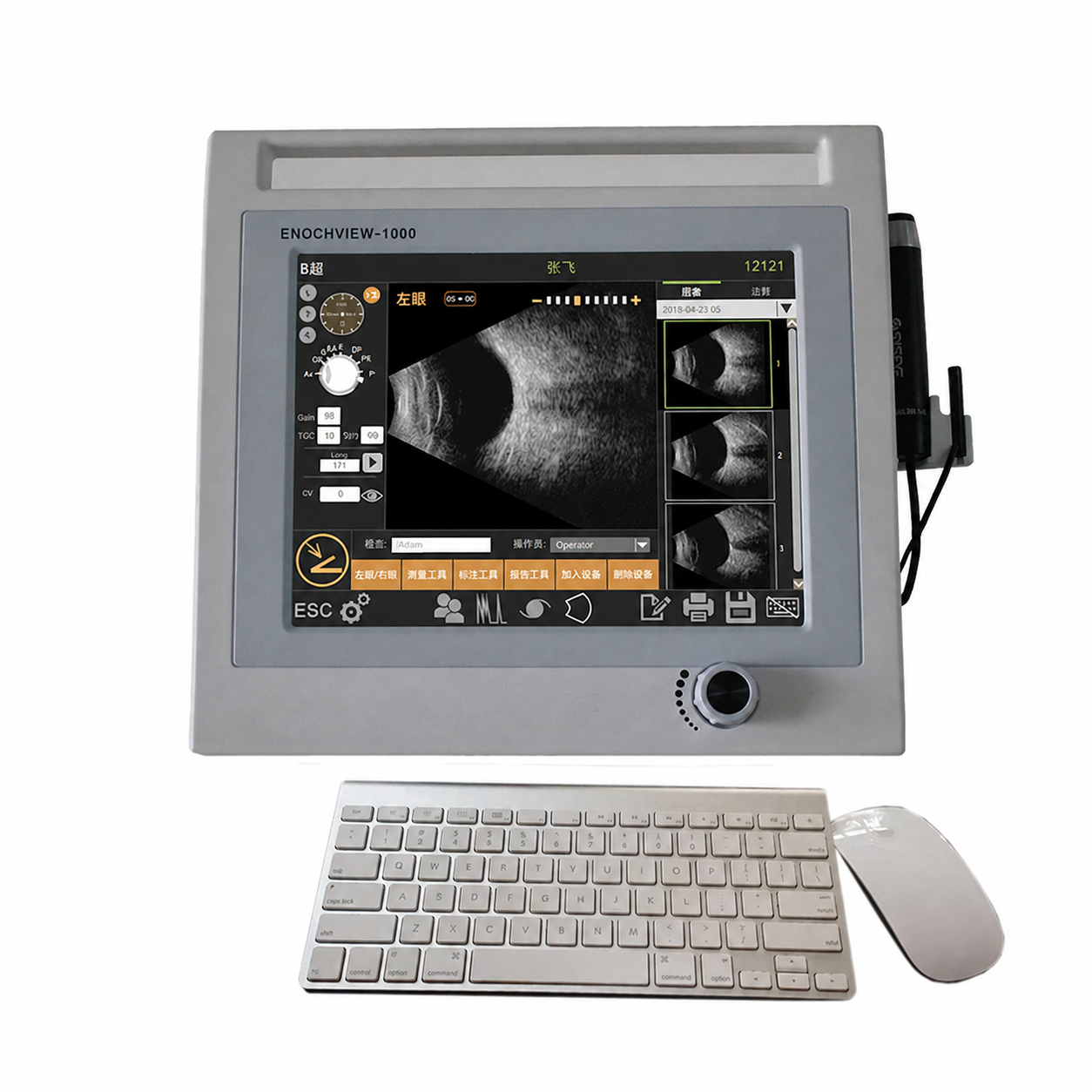
Review tonometers, slit lamps, fixed and handheld fundus cameras, OCT systems, ophthalmic ultrasound, optical biometers and perimeters by their verified product roles. CFC-X is the handheld non-mydriatic fundus-camera option for portable retinal image capture; its accessories, software and any AI or DICOM capability must be confirmed for the quoted configuration.
Optometry & refraction
Connect categories to examination and dispensing needs
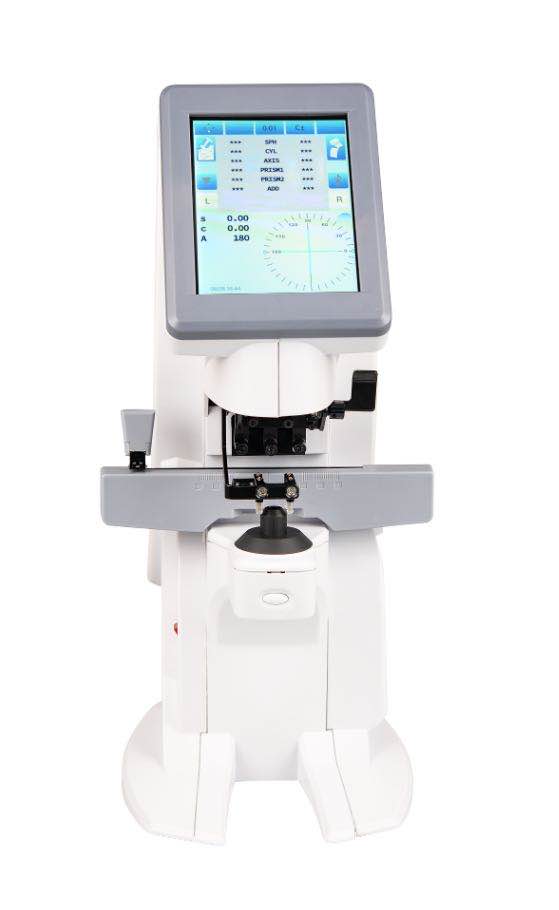
This group may include autorefractors, phoropters, lensmeters, vision charts, trial lenses and frames. Product-family pages use general terms; confirmed specifications are on each model page.
Fixed-base surgical microscopes
Compare fixed-base microscope versions
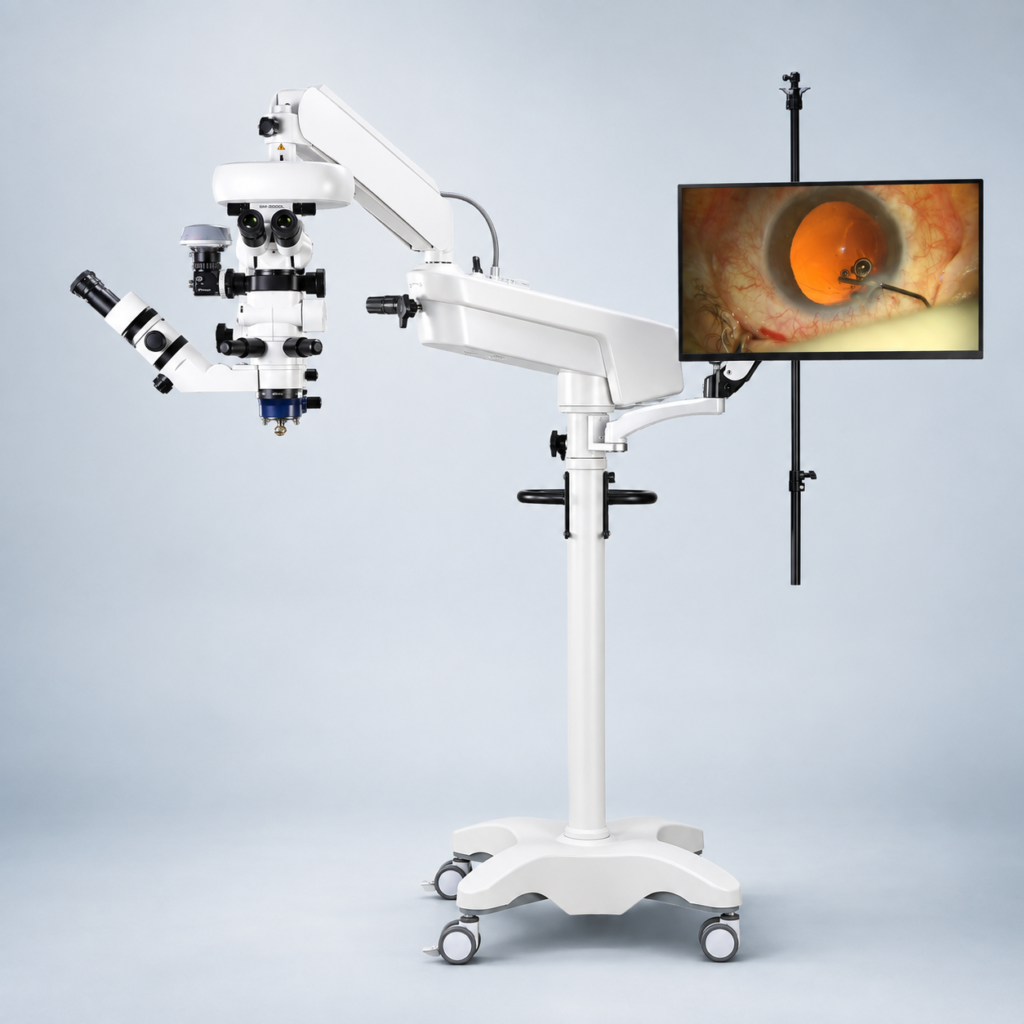
SM-2000L LED and SM-3000L are separate fixed-base model options. Only the specifications of the exact version apply, not those of competitor models or other lighting versions.
Portable surgical microscope
Review the table-clamp travel configuration
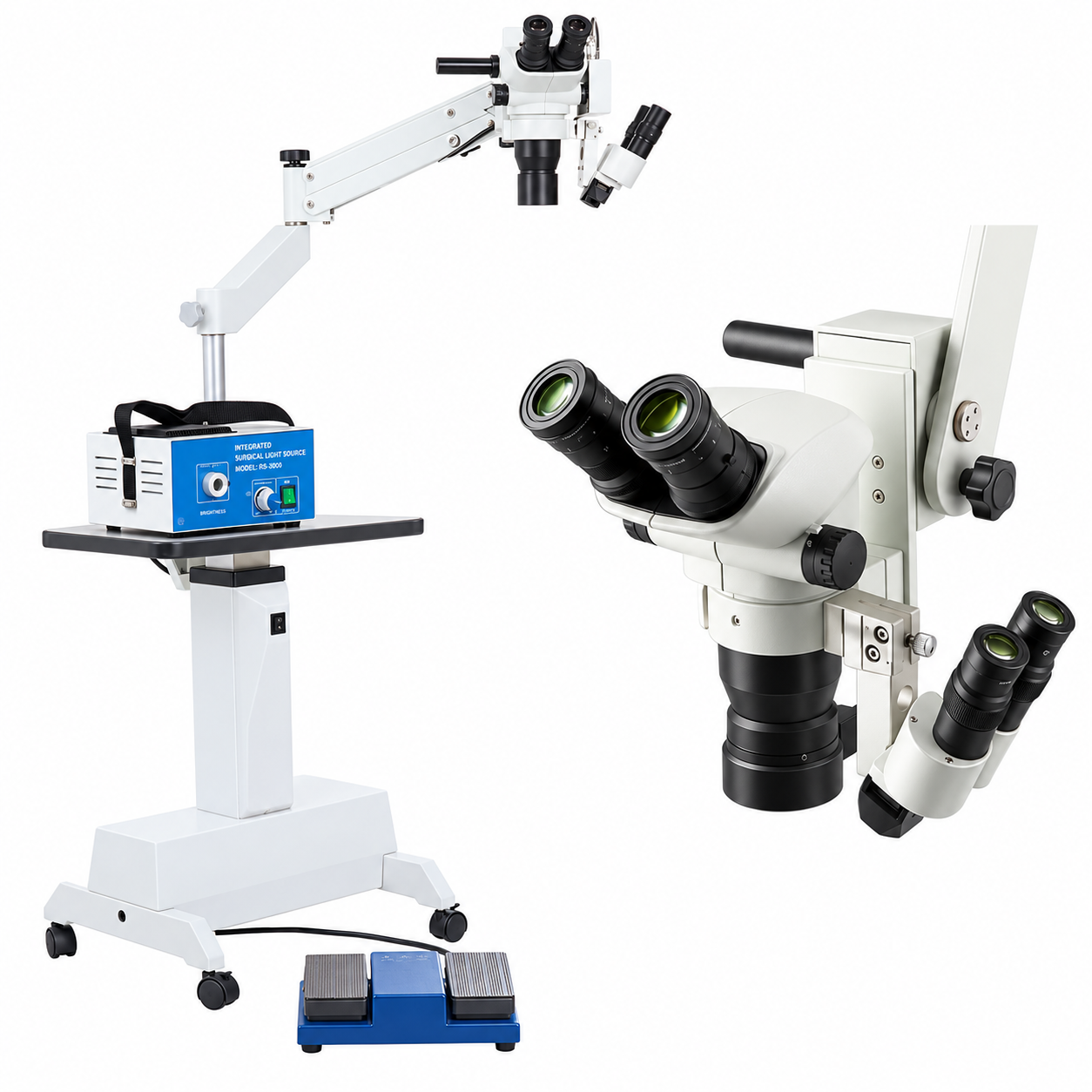
SM-2000J is a distinct portable option supplied around a table-clamp and travel-case configuration. Confirm the optical setup, illumination, working distance and included accessories in the quotation.
Optical lab equipment
Explain each processing step accurately
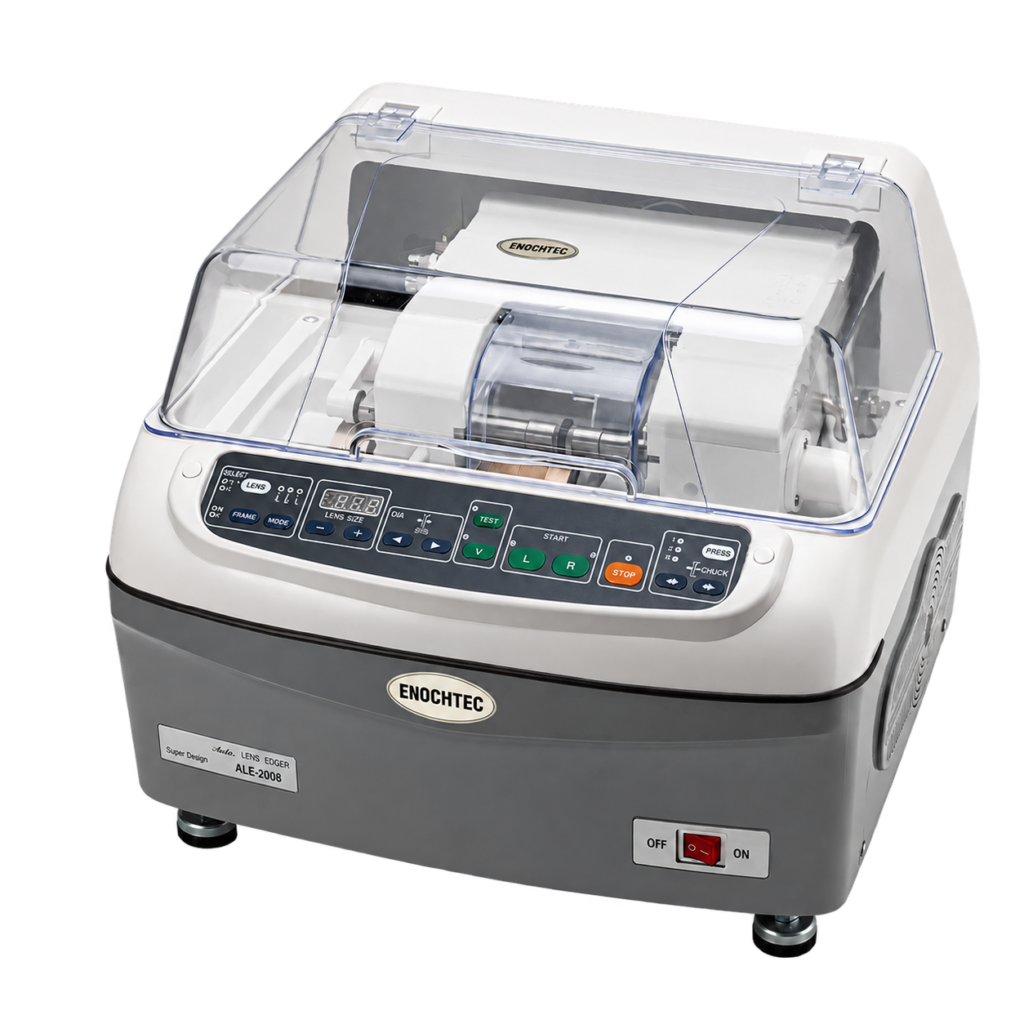
Lens edgers, centering or scanning devices, groovers and hand-finishing equipment perform different tasks. ALE-2008 is the product formerly identified as SJM-2008; both names refer to the same automatic edger. FC-750 + FE-750 Pro is a higher-end system for centering, scanning and automatic edging. Confirm FE-750 Pro technical specifications and every standard or optional supply item before presenting the configuration to a customer.
Furniture & workstations
Confirm what each configuration includes
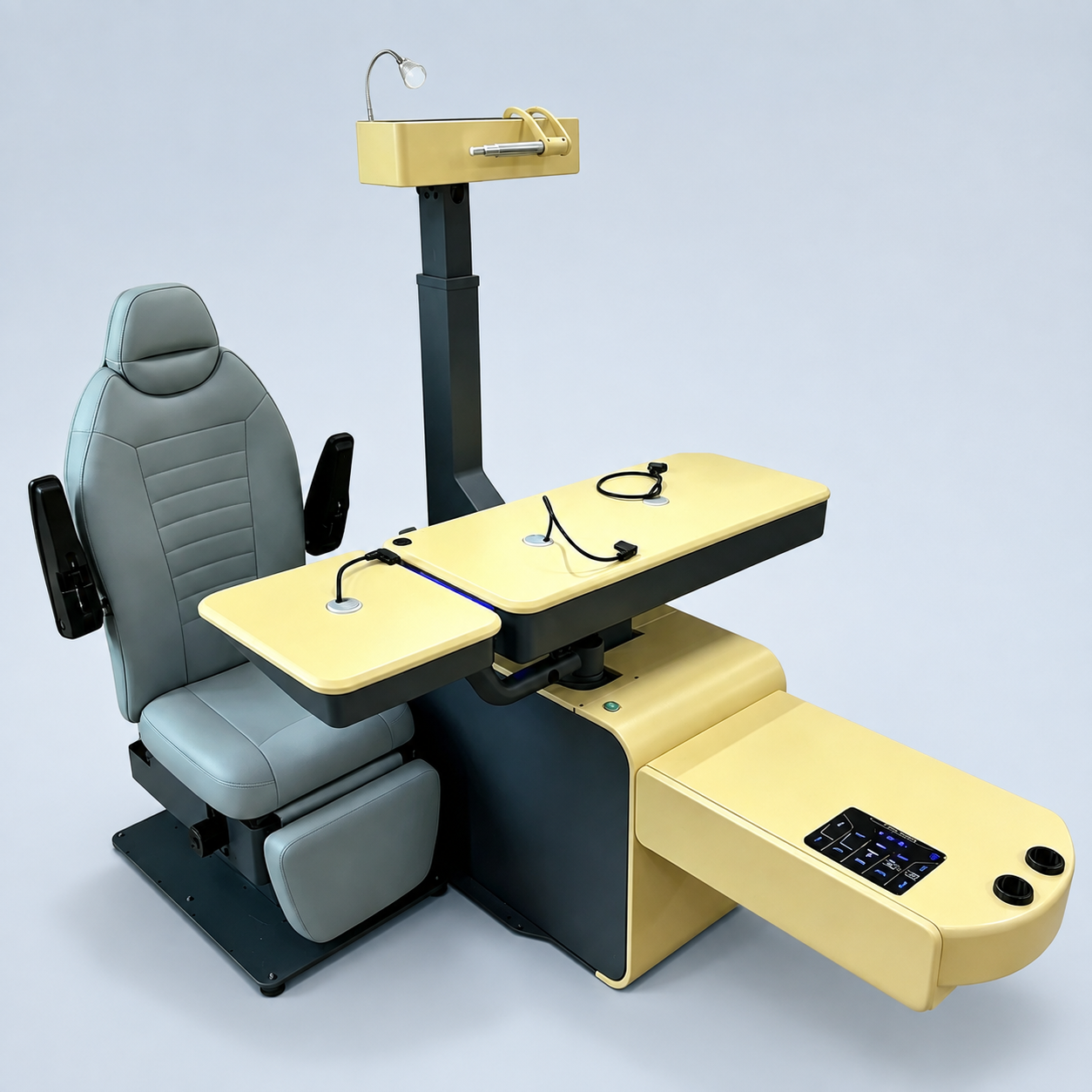
Optometry units, instrument tables, chairs and stands require careful configuration language. A table should not be shown as a complete unit unless the quotation confirms it.
Portfolio choices
Turn open questions into written decisions
A portfolio review can identify what to confirm, but it does not itself establish availability, rights or commercial terms.
Core category or portfolio extension?
Choose products that serve a defined customer need and explain the verified difference from models already represented.
Standard model or requested change?
Do not imply OEM, private-label, packaging or documentation customization. Submit the exact request for written review.
Marketing document or regulatory evidence?
Brochures and specifications do not replace model- and destination-specific regulatory documents. Confirm what may be shared.
General support question or contracted scope?
Training, warranty, spare parts and after-sales responsibilities require explicit scope, provider, location, timing and exclusions.
Relationship boundary: Reviewing products or requesting a quotation does not appoint an authorized or exclusive distributor and does not grant territory, certification, trademark or product-claim rights.
Distributor checklist
What should be included in the brief?
Use these inputs to structure a first review. Every commercial and support term remains subject to written confirmation.
- Target destination and buyer groups
- Current portfolio categories and identified gaps
- Priority workflows and expected product roles
- Preferred models, quantities and options
- Confirmed specifications, images and documents needed
- Buyer-identified local and language requirements
- Packaging, shipment and commercial questions
- Training, warranty, parts and support responsibilities
Distributor questions
Portfolio support FAQ
Does this page appoint an authorized or exclusive distributor?
No. Authorization, territory and exclusivity require a separate written agreement. Reviewing a portfolio or requesting a quotation does not create those rights.
Are OEM, private-label or customized products available?
Available for selected products on request. Any branding, packaging, product modification or documentation request must be reviewed for the exact product and confirmed in writing.
What are the MOQ, price and lead time?
They are not stated here. Quantities, prices, validity, availability and timing should be confirmed in a current quotation for the selected models and destination.
Which product documents can a distributor receive?
Brochures, manuals, specifications and regulatory documents must be checked by exact model and version. Only current documents authorized for sharing should be supplied or published.
Are training, warranty and after-sales support included?
Do not assume they are included. Scope, provider, location, timing, exclusions and responsibilities must be stated in the final quotation or distributor agreement.
Next step
Start with customers and category gaps
Share your target customers, current categories, destination, priority workflows and preferred models for an initial product-record review.


