
Lens-processing workflow
Optical Lab Equipment for Lens Processing
Organize equipment by the lens-processing task it performs. Lensmeters, blockers or center scanners, automatic edgers, groovers and hand-finishing machines should not be treated as interchangeable products.
What belongs in an optical lab equipment workflow?
An optical lab workflow can include lens verification, layout or centering, edging, grooving, hand finishing and frame adjustment. The required stages depend on the services offered, throughput, lens and frame work, existing machines and the confirmed role of each selected model.
Organize by processing stage
Use the task, not a loose synonym.
Lens edging is one stage of the workflow; edging, grooving and hand finishing remain separate operations with different equipment options.
Lens Analysis
Verify lens information before processing; this equipment is distinct from cutting or finishing.
Centering & Blocking
Prepare the lens-processing reference and confirm whether equipment is standalone or part of a system.
Automatic Lens Edging
Shape the lens with an automatic edger and confirm the exact machine configuration.
Grooving, Drilling & Finishing
Use dedicated grooving, drilling or hand-finishing equipment where required.
Frame Adjustment & Heating
Support dispensing and frame work with the appropriate adjustment equipment.
Product models
Selected product models
Only the product name and role are shown here. Machine combinations and included modules must be confirmed on the individual model page and quotation.
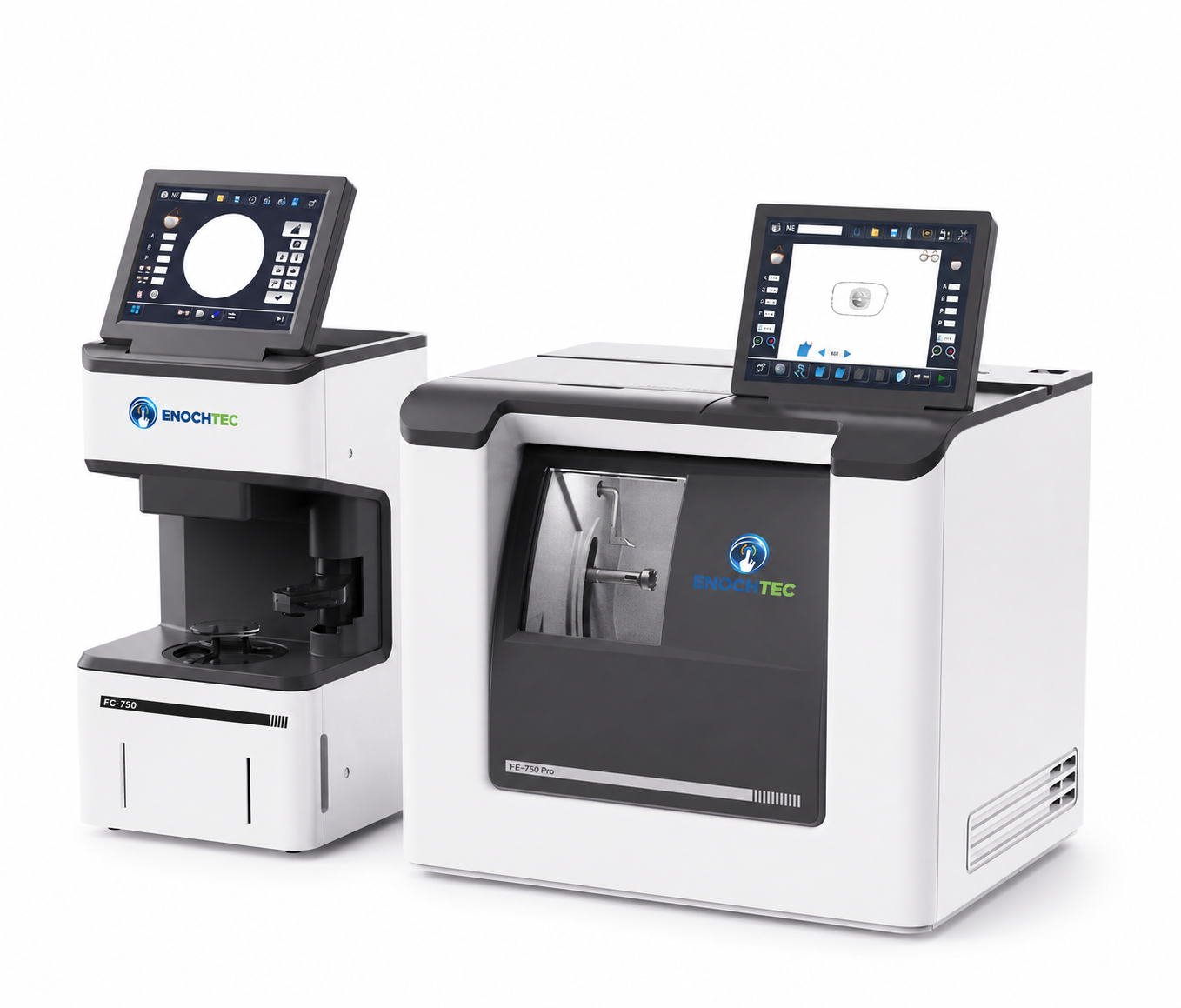
FC-750 + FE-750 Pro Automatic Lens Edger System
View product details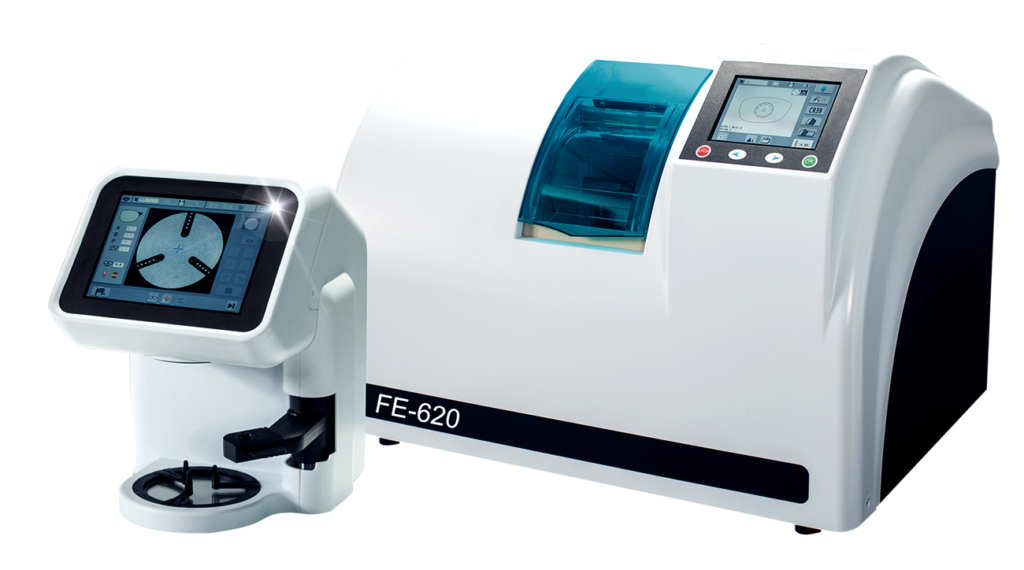
FC-600 + FE-620 Automatic Lens Edger System
View product details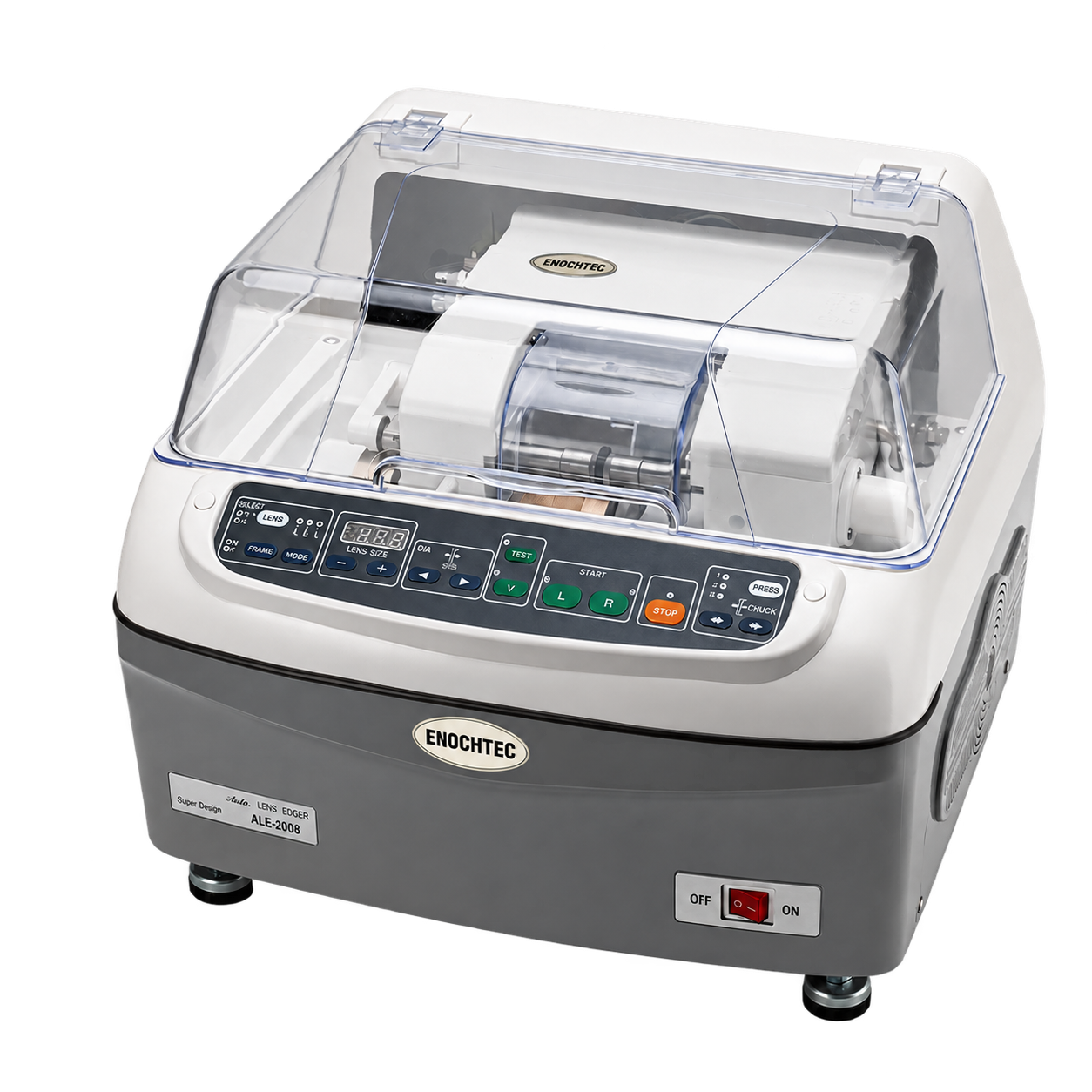
ALE-2008 Automatic Lens Edger
View product details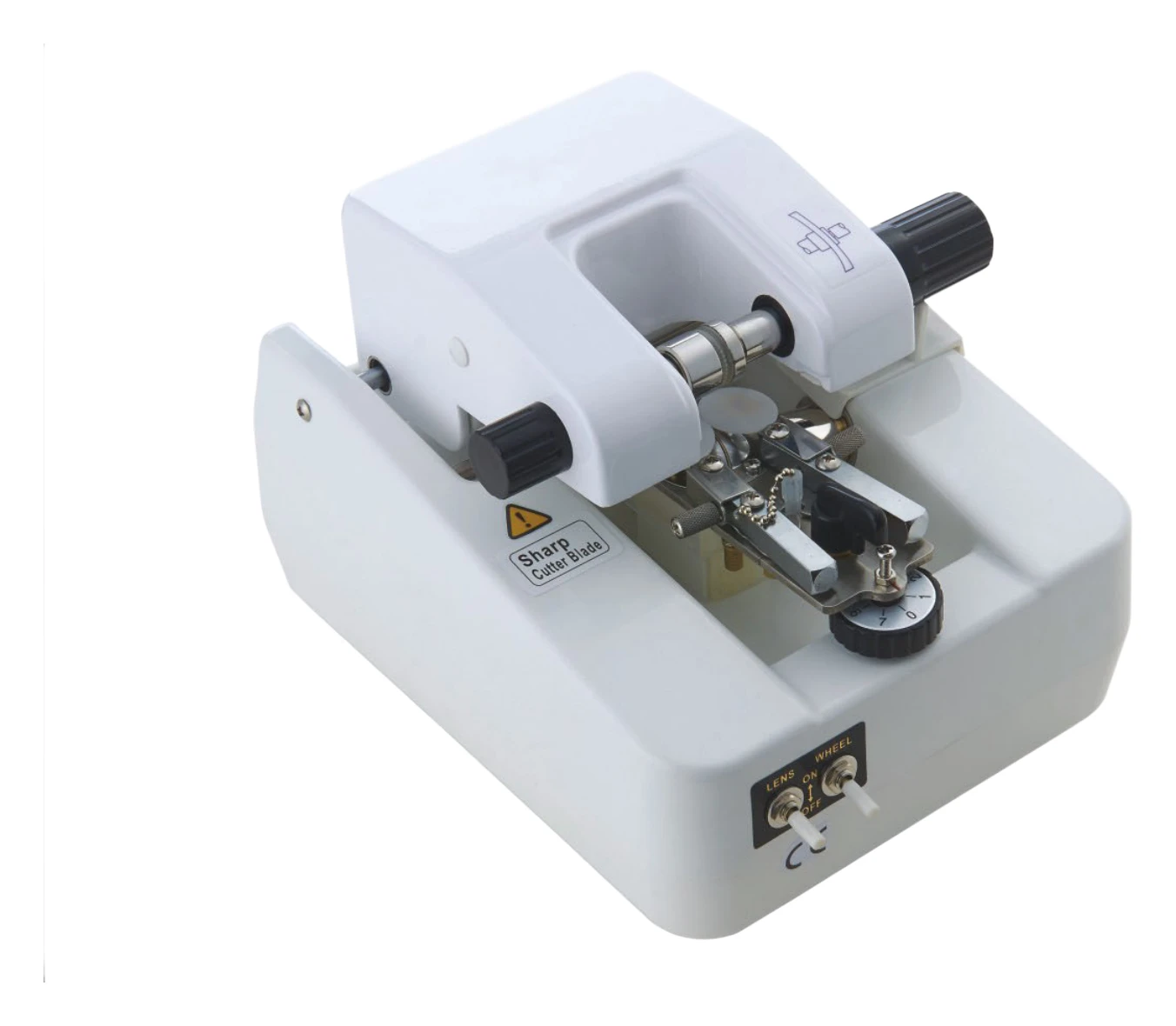
NH-800S Lens Groover
View product details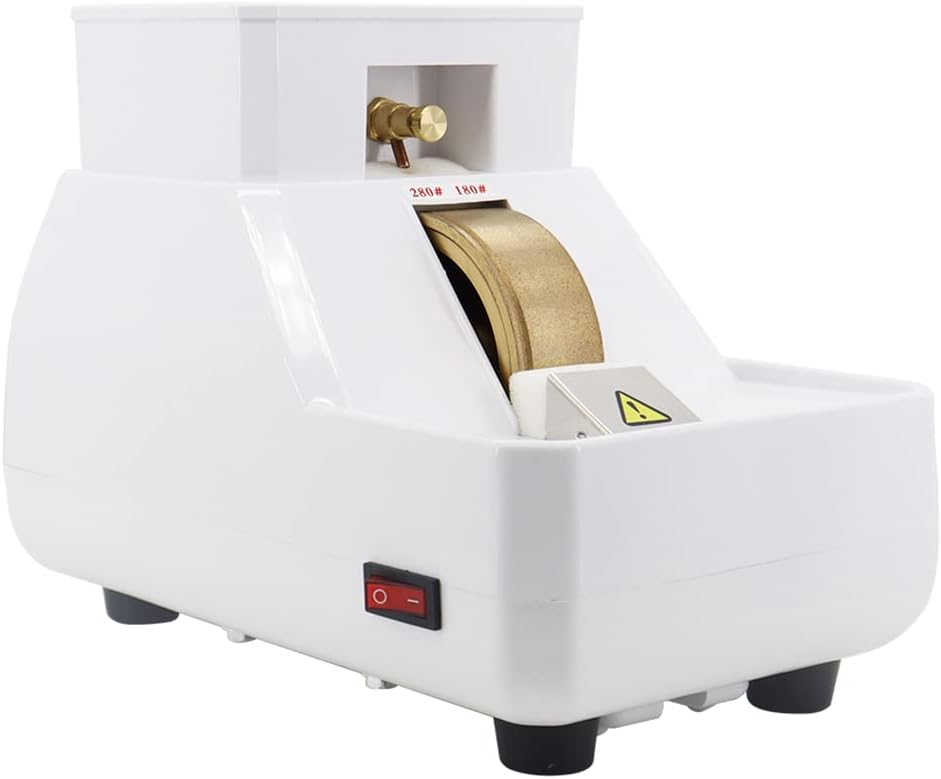
NH-35W Hand Edge Grinder
View product details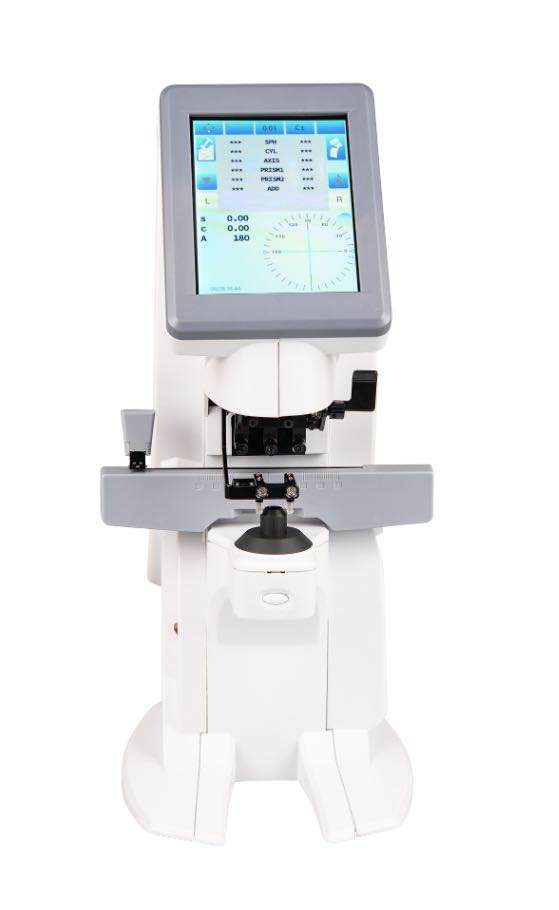
HV-300 Automatic Lensmeter
View product details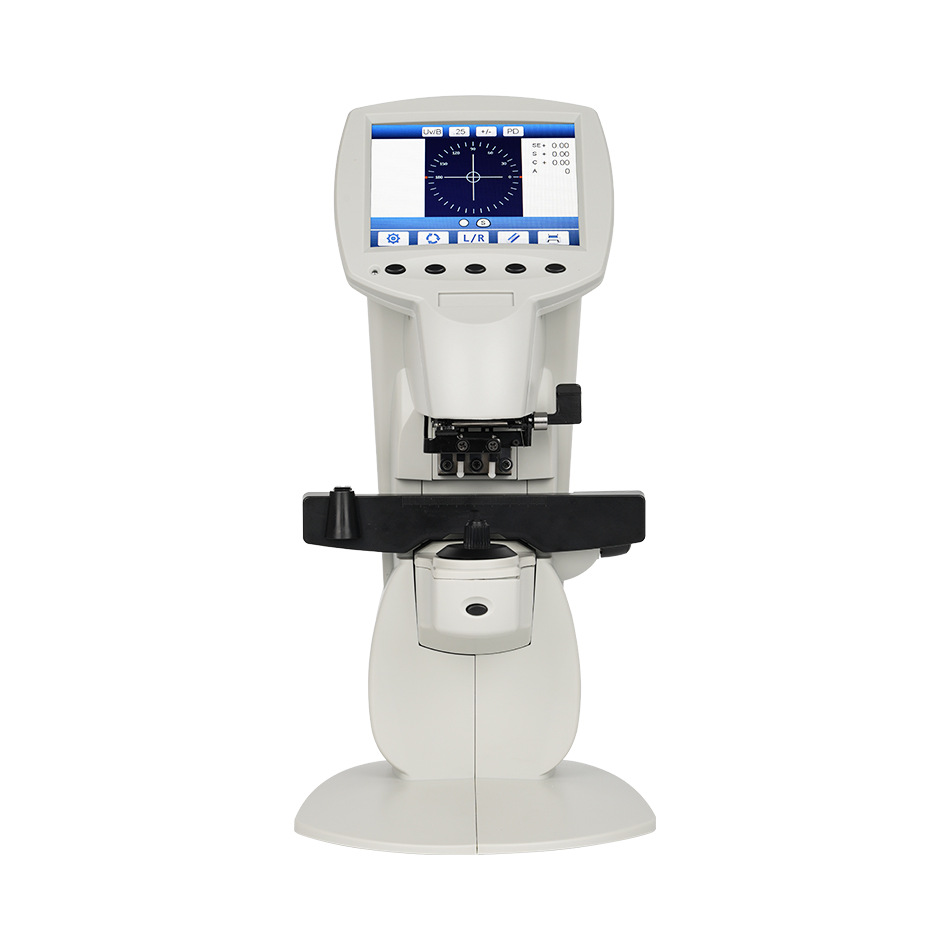
GM-300 Digital Lensmeter
View product details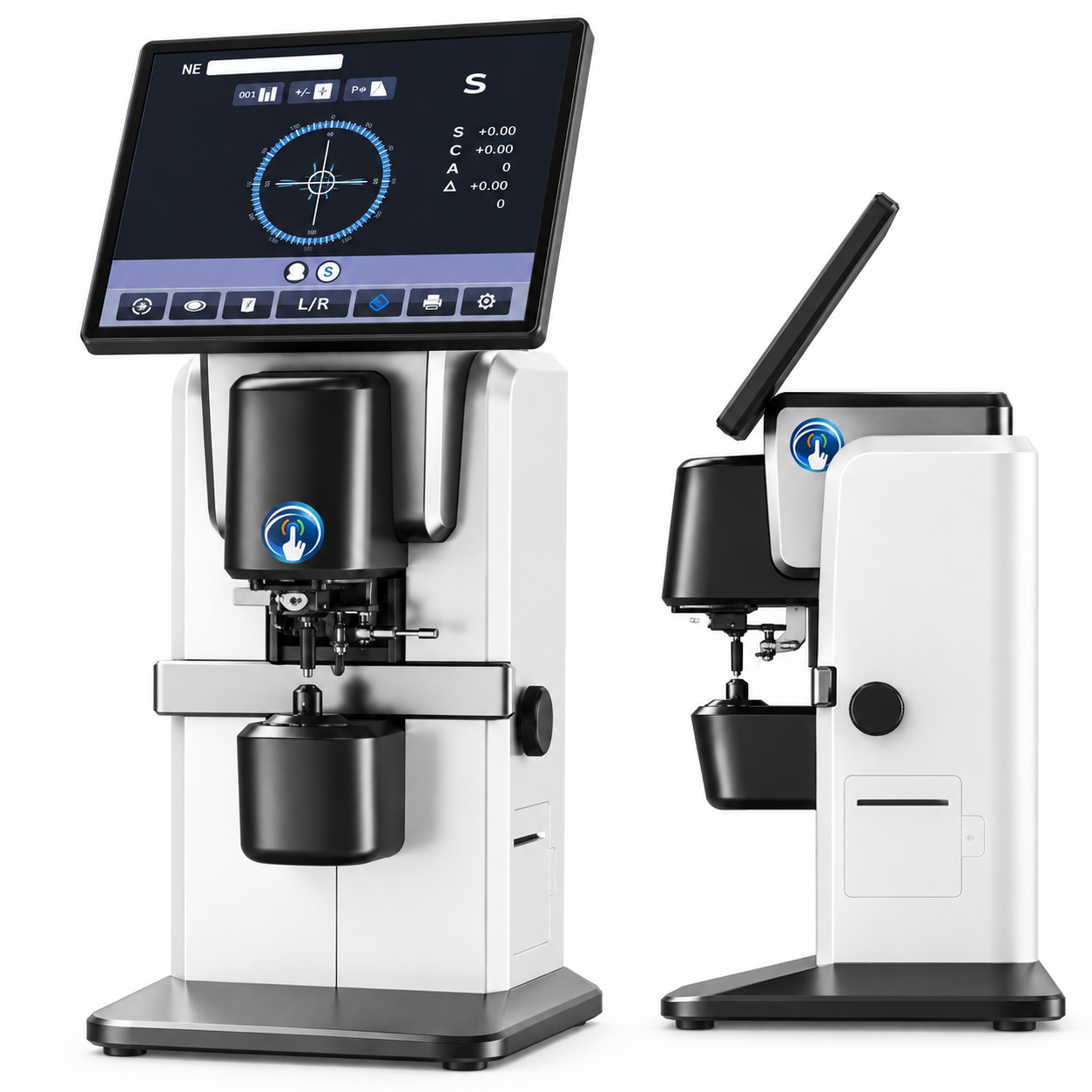
FL-920 Integrated Lens Analyzer
View product details
NH-3GS Digital Automatic Lens Drilling Machine
View product details
Optical Frame Heater
View product detailsSelection guidance
Build the workflow before choosing machines.
Keep process stages separate, and confirm throughput, materials and configuration details on each product page.
- Services and workload — Describe the lens and frame work, expected workflow and operating environment.
- Process stages — Identify which tasks are handled in-house and which machines already exist.
- System boundaries — Confirm whether centering, scanning, edging or other modules are separate or supplied together.
- Consumables and utilities — Request the accessory, consumable, power and installation requirements.
From need to shortlist
A clear lens-finishing path
Start with the lens-finishing workflow, then move to the relevant equipment category and model.
Verify the job
Record the lens, frame and service requirement.
Map the stages
Identify analysis, centering, edging and finishing needs.
Compare model roles
Separate single machines from multi-component systems.
Confirm the scope
Document the final machines, accessories and support.
Buyer questions
Answers before model selection.
Is a lens groover the same as a lens edger?
No. Edging and grooving are different processing tasks. Confirm the selected machine’s functions and whether additional equipment is required.
Does an automatic lens edger always include a center scanner?
No common system configuration should be assumed. The machine combination and included modules must be confirmed for the selected model.
Where does a lensmeter fit in the workflow?
A lensmeter supports lens verification or analysis. It does not perform the same task as an edging or grooving machine.
What should I send for a lab-equipment recommendation?
Describe the lens-processing services, expected workflow, current machines, required stages, destination and any space or utility constraints.
Prepare the right shortlist