Position people & equipment
Allow clear access to controls and verified instrument movement.

Solutions / Refraction Room
Refraction room planning
Refraction room equipment should be planned as a coordinated workflow, not an isolated list of devices. This guide outlines the equipment groups, configuration choices and current ENOCHTEC options that may support preliminary measurement, subjective refraction and visual-acuity confirmation.
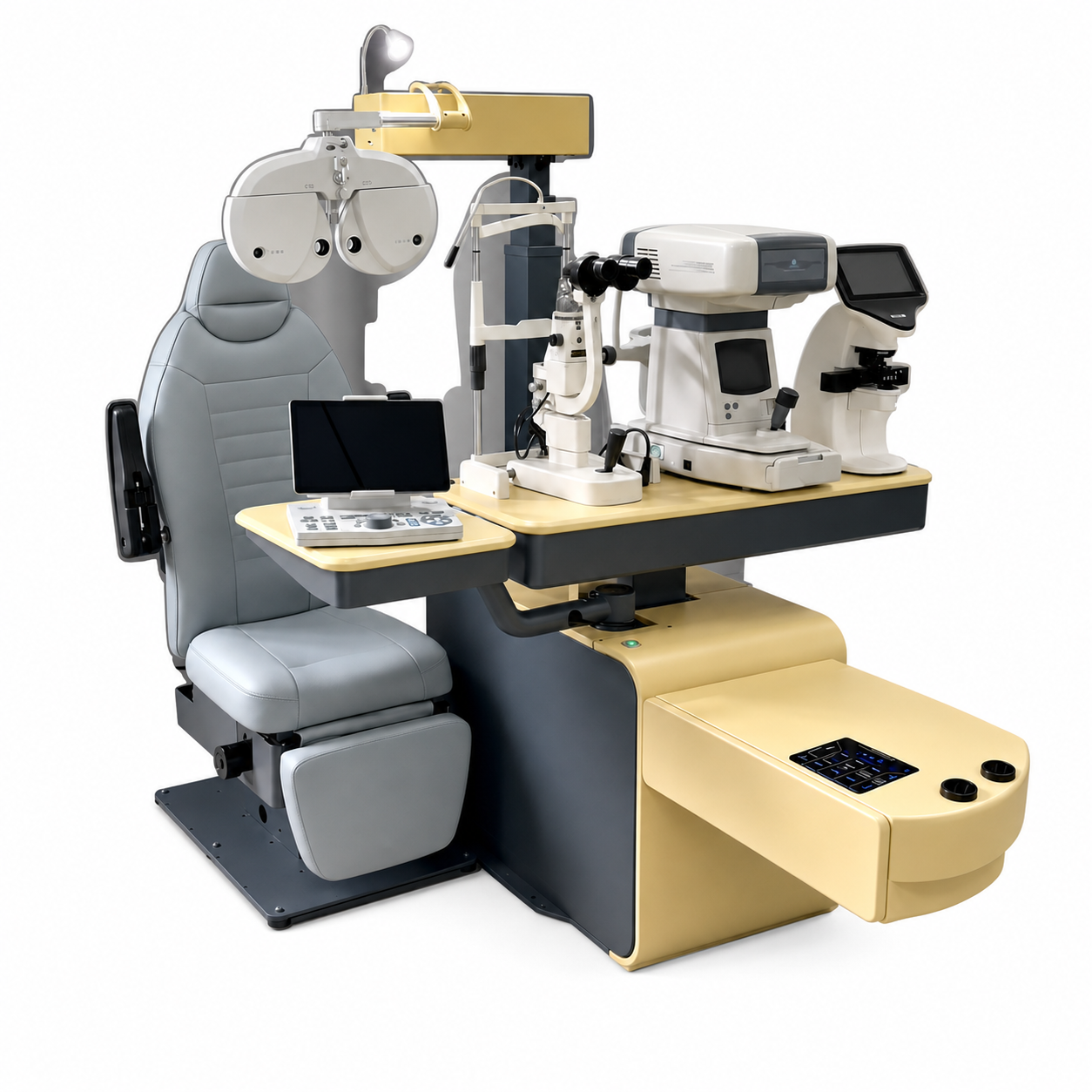
A refraction room solution combines preliminary measurement, subjective refraction, visual-acuity testing and an appropriate workstation in one coordinated workflow. A typical plan may include an autorefractor or autorefractor keratometer, a manual or automatic phoropter, a digital vision chart, trial lenses and frames, and an optometry unit. The final configuration depends on examination scope, room size, existing equipment, operator preference and local requirements.
Intended users
This framework is relevant to professional buyers preparing a model-level refraction-room shortlist. It does not replace local clinical, facility or regulatory requirements.
Recommended sequence
The exact procedure is determined by the practice. For equipment planning, these stages help separate room foundation, measurement, subjective refraction and confirmation needs.
Allow clear access to controls and verified instrument movement.
Select the required device type from verified functions.
Choose an automatic, manual or trial-lens route.
Check chart content, distance and control method.
Keep documentation consistent with local procedures.
Typical equipment groups
Available models are presented as individual options. Final configuration, accessories, documentation and market availability are confirmed for the destination and quotation.
Room foundation
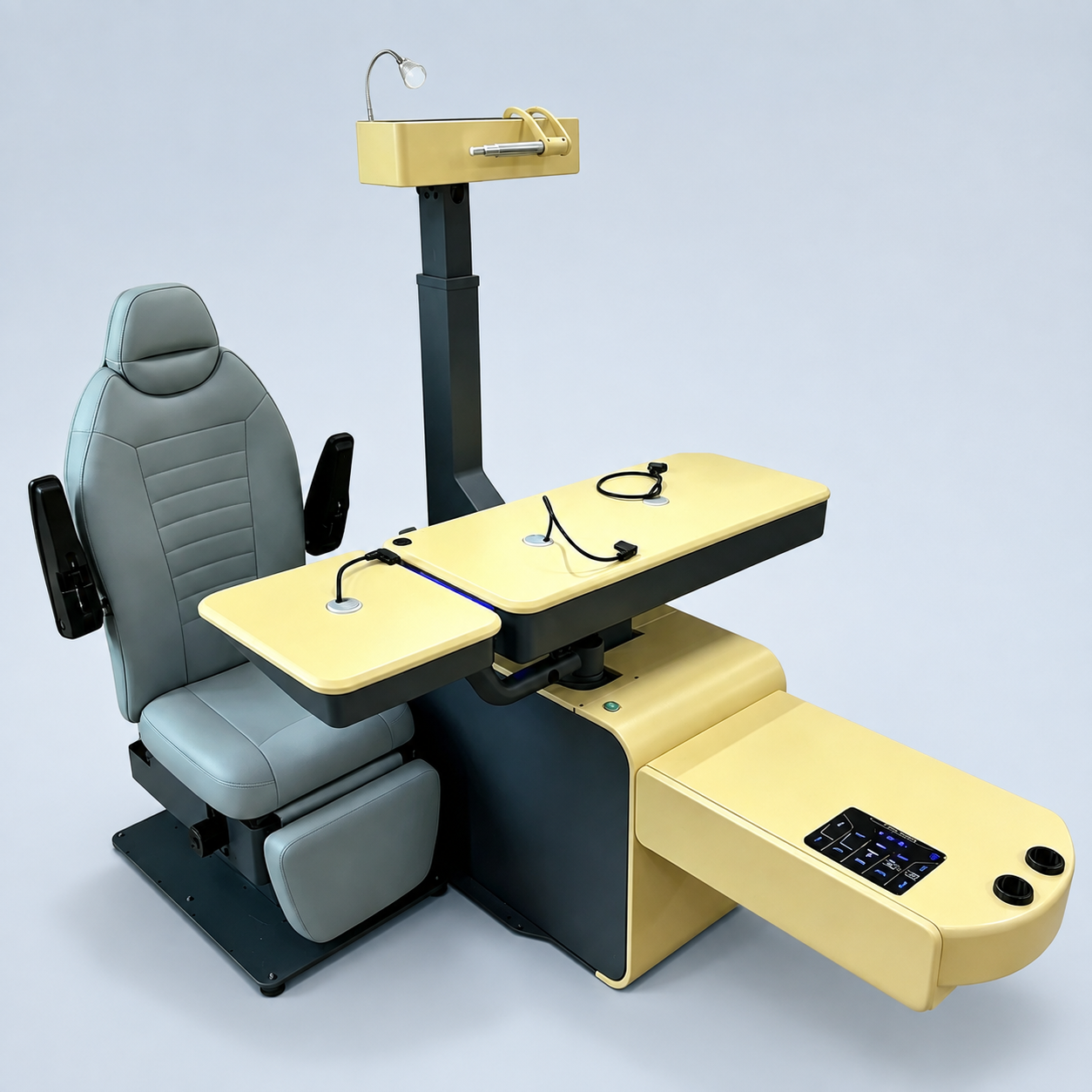
An optometry unit or optometry table can support patient and operator positioning and provide a practical location for selected instruments. AST-3000 is a unit configuration, while GM-560 is an optometry table. Compare the real footprint, movement, power and included items; any GM-560 image showing a chair, phoropter or other instruments is illustrative, and inclusion is controlled by the quotation.
Integrated optometry unit
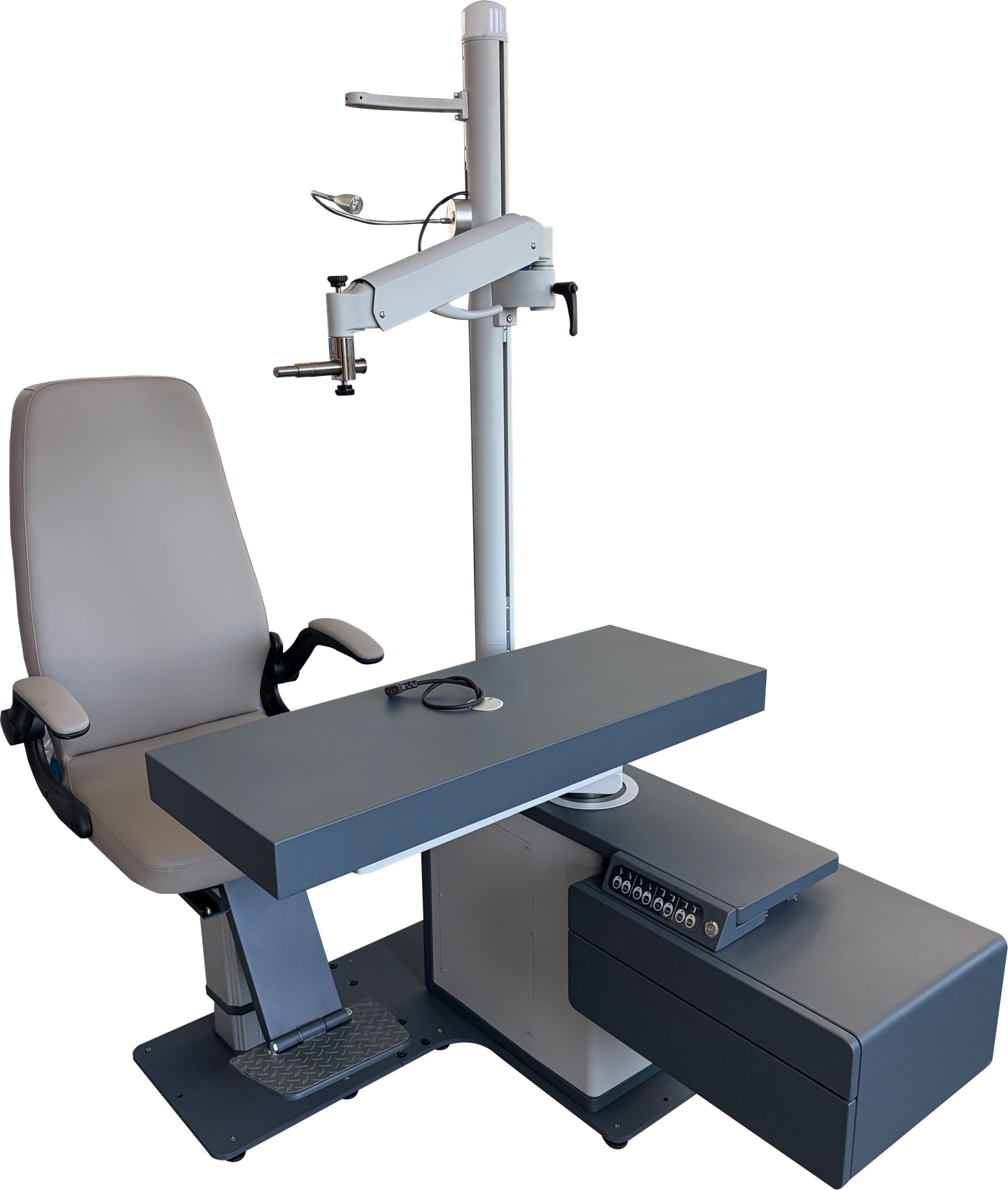
The HRT-1A is a separate optometry-unit option with a motorized table and chair. Confirm the included instruments, movements, load limits, power and final accessories in the quotation.
Preliminary measurement
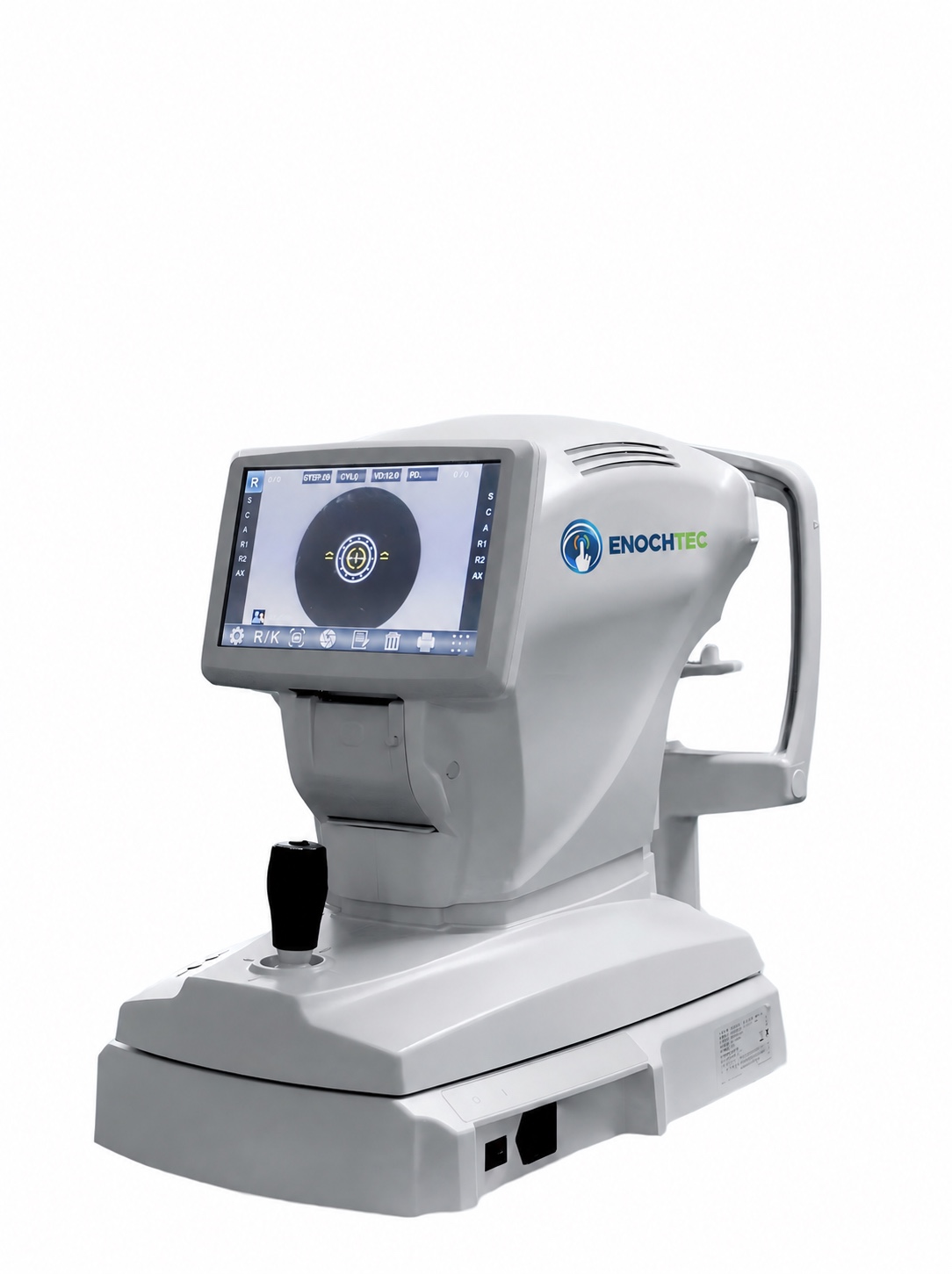
Supports the preliminary objective measurement stage. Choose the device type according to the measurements required by the intended workflow.
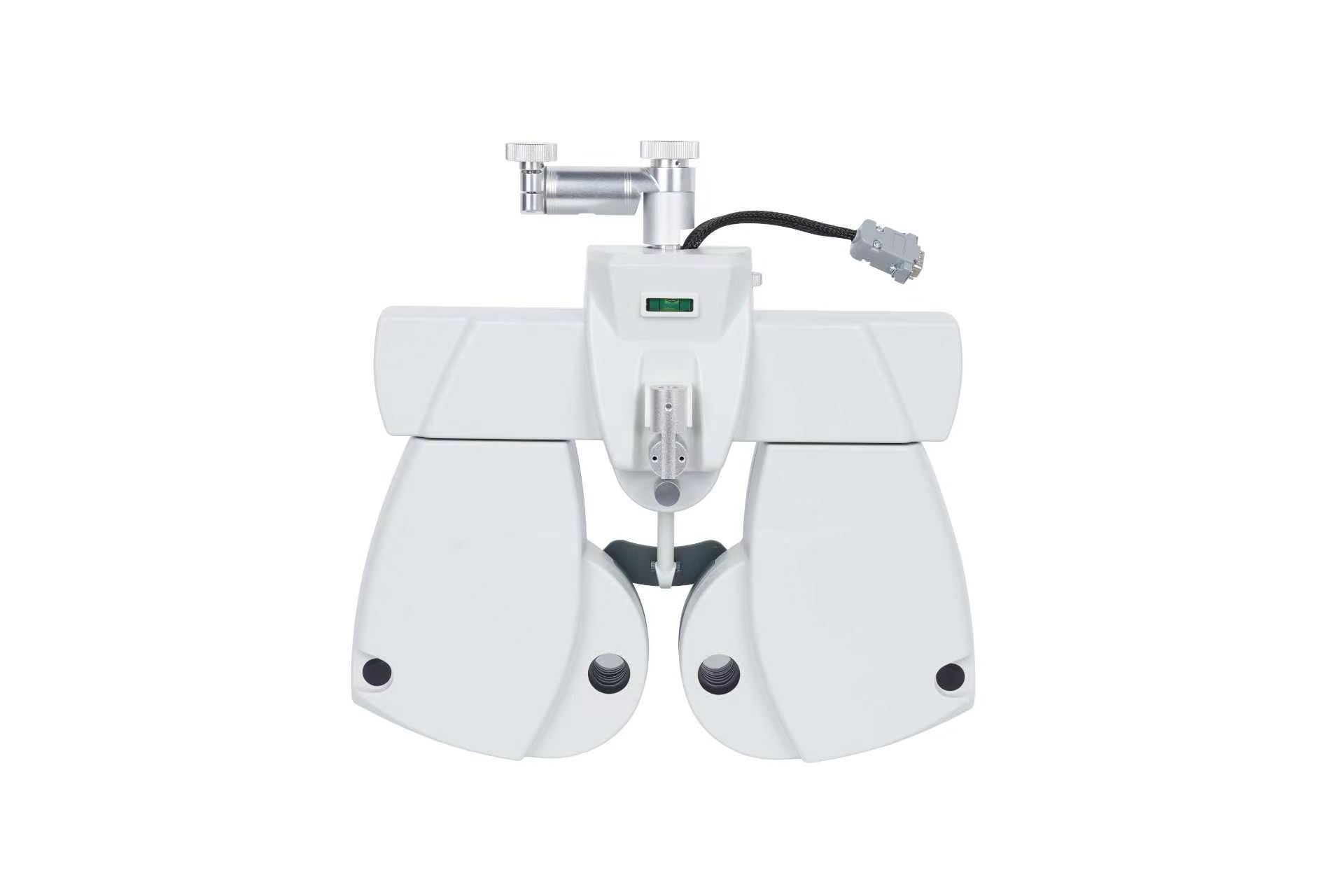
Subjective refraction
Compare operating method, controls, physical arrangement and verified connection requirements.
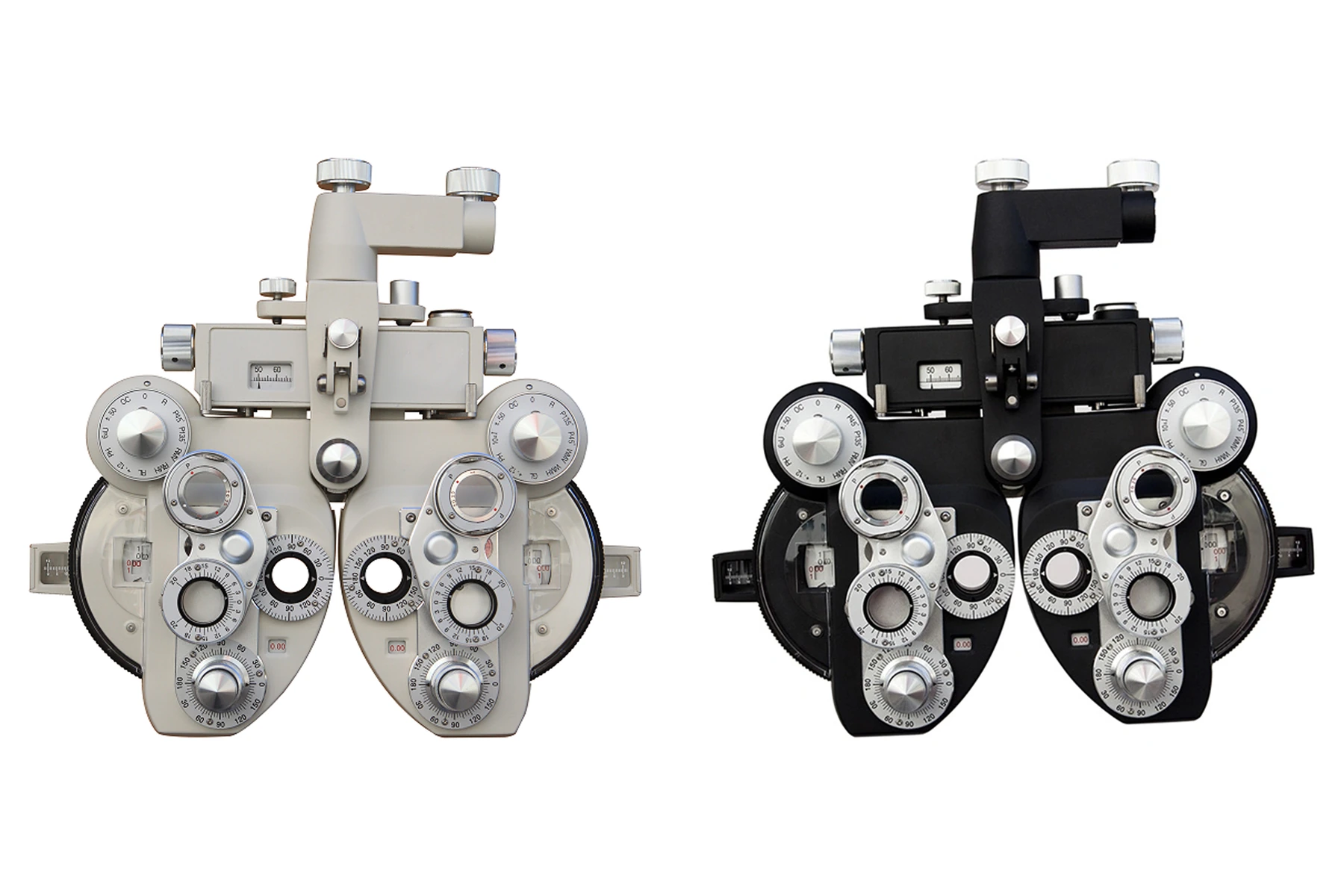
Subjective refraction
A manual route may suit a different operator preference, room plan or purchasing requirement.
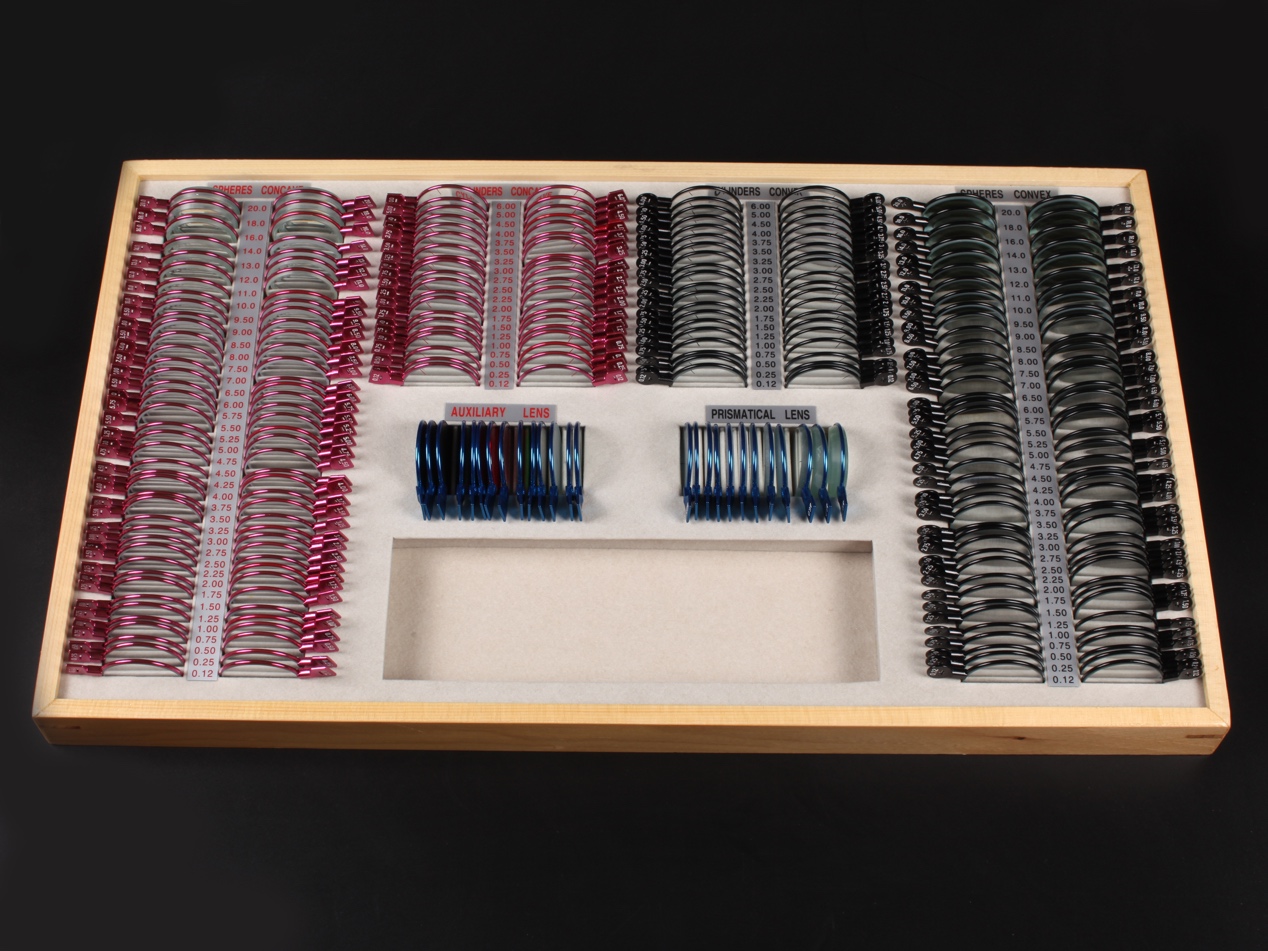
Supporting tools
Provide a manual route for subjective refraction or a complementary set for the room.
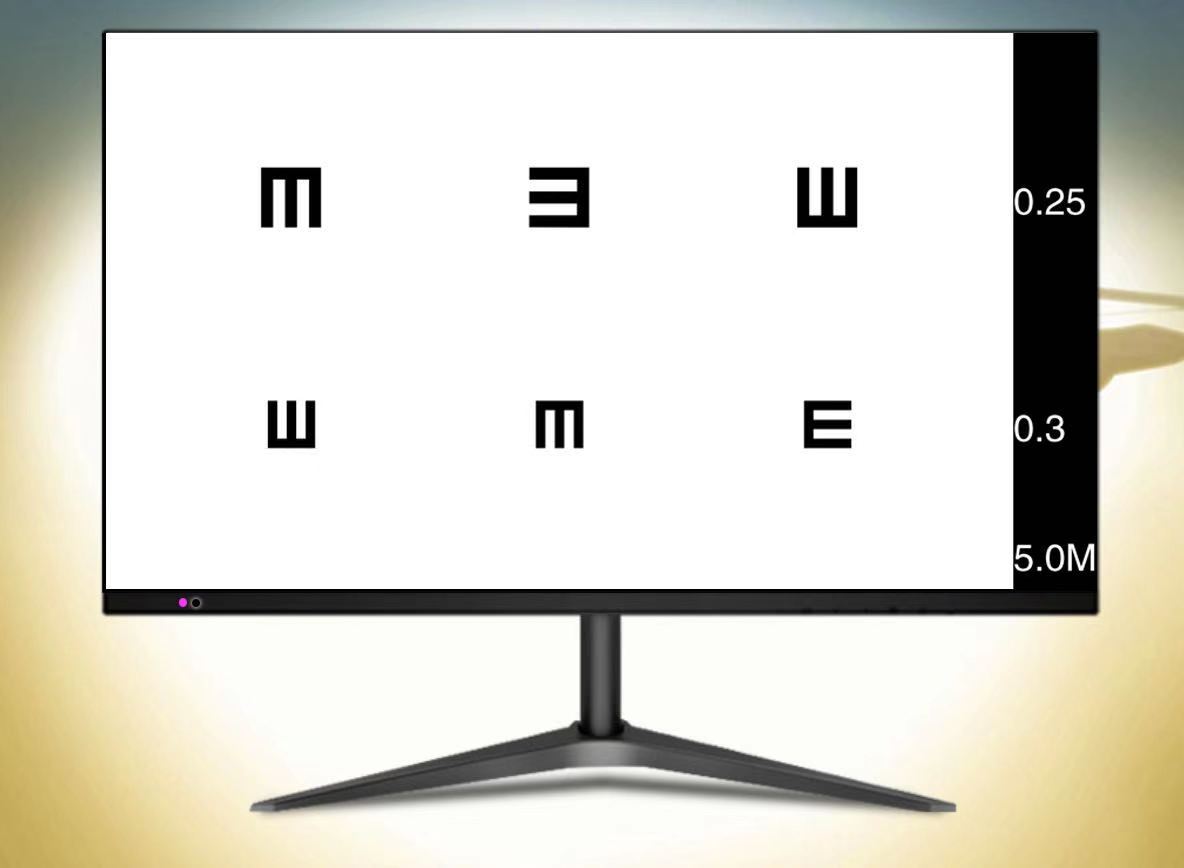
Visual-acuity confirmation
Confirm chart types, working distance, display method, controls and mounting or placement needs from the selected product documentation.
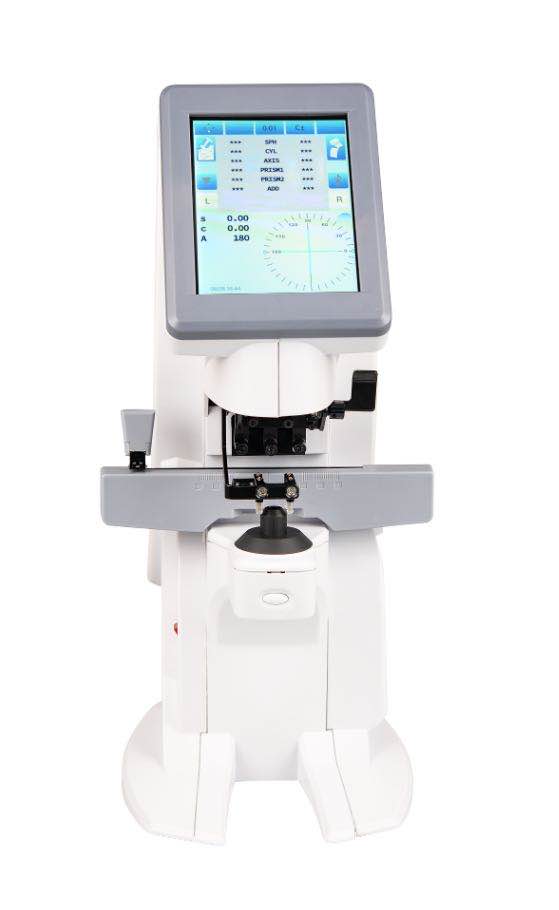
Optional workflow extension
A lensmeter may be considered when existing-eyewear or dispensing checks are part of the room. Slit lamps, tonometers and other examination devices belong to an expanded ophthalmology workflow and are not mandatory for every refraction room.
Available models are presented as individual options. Final configuration, accessories, documentation and market availability are confirmed for the destination and quotation.
Configuration choices
Resolve these choices before comparing detailed specifications. They affect space, instrument placement, training and the final bill of materials.
Match the operating method to staff preference, verified device functions, compatibility, training needs and budget.
Compare the real room footprint, patient positioning and selected model dimensions before deciding.
Document the devices that remain and their physical, electrical and confirmed connection requirements.
Add clinical examination devices only when the intended services and room plan require them.
Before finalizing
A solution page guides the shortlist. Model specifications, included items and project responsibilities are confirmed in the quotation and supporting documents.
Buyer questions
No. An optometry unit or workstation organizes seating, instrument placement and room workflow. An autorefractor is a measurement device used at the preliminary stage. They may be used in the same room, but they serve different functions.
No. Subjective refraction may use an automatic phoropter, a manual phoropter, or trial lenses and a trial frame. The appropriate choice depends on the operator’s workflow, verified equipment functions, compatibility, training needs and budget.
It can be considered when the workflow includes checking existing eyewear or dispensing verification. If those tasks are handled elsewhere, the lensmeter may belong in a separate dispensing area.
Additional examination devices may be considered when the room layout and intended workflow support them. Plan slit lamps, tonometers and imaging equipment through the relevant clinical solution rather than treating them as mandatory.
Provide the intended services, room layout or dimensions, existing devices, preferred refraction method, required equipment groups, destination market and any preferred models. Final inclusions and options should be confirmed in the quotation.
Plan around the sequence


