
Solutions / Optical Lab
Lens finishing workflow
Optical Lab Setup & Lens Finishing Solution
Organize prescription-lens processing around the jobs the laboratory will perform. Define the workflow, equipment groups and site information before confirming a model-level configuration.
What is included in an optical lab setup?
An optical lab setup combines the equipment and work areas needed for lens verification, order preparation, centering or blocking, edging, optional grooving or drilling, finishing and final inspection. The appropriate configuration depends on lens materials, frame types, expected workload, required processing steps, available utilities, workspace and whether every stage will be completed in-house.
Intended users
Configure the lab around its real job mix
This framework is for prescription labs, optical shops adding in-house finishing, distributors and project teams. It is not a fixed bundle: every process and model must match the scope.
Workflow
A practical lens-finishing sequence
Map the complete process before selecting machines, accessories or site services. Each step should reflect the laboratory’s approved procedure.
Review and verify
Confirm the order, lens identification and approved handling method.
Mark, center and block
Prepare the lens using the method and confirmed equipment.
Edge the lens
Select by verified lens-material, frame and edge requirements.
Complete special processing
Add grooving, drilling, polishing or hand finishing only when required.
Inspect and release
Clean and verify the finished job according to the approved procedure.
Equipment groups
Define each processing module
Review each product against the required process, lens materials, workload, site conditions and quotation scope before confirming the lab configuration.
Automatic lens measurement
Verify incoming and finished lenses
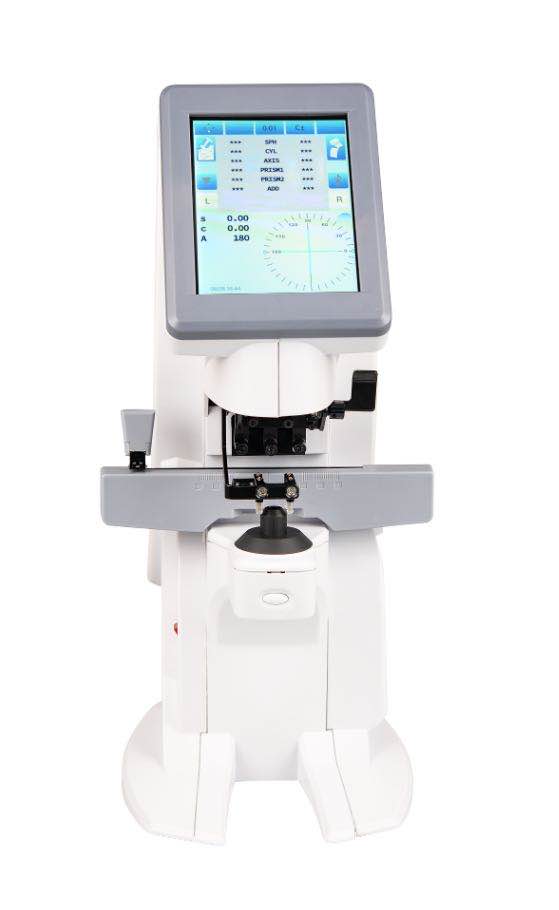
Use the HV-300 when the workflow calls for an automatic lensmeter. Confirm the lens types, measurement functions, printer requirement and model configuration before selection.
Digital lensmeter
Add PD and UV/blue-light checks when required
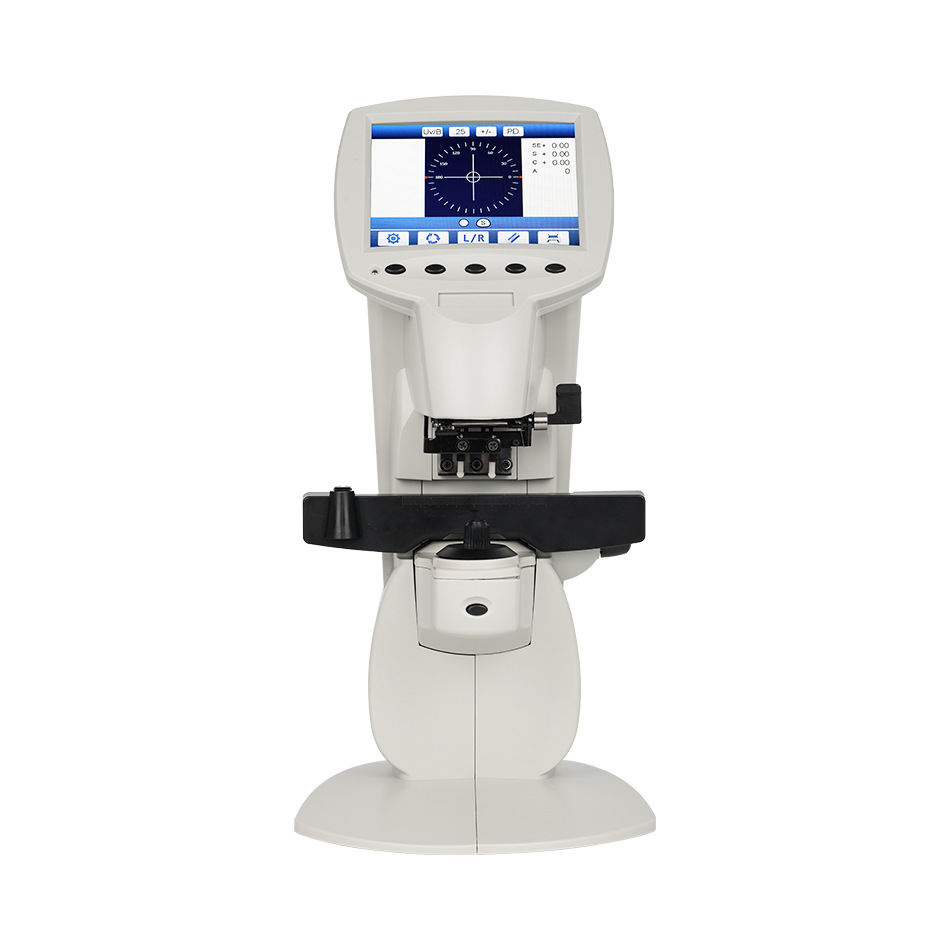
The GM-300 is a differentiated digital lensmeter option for lens-power verification together with PD and UV/blue-light measurement functions. Confirm the required inspection method and configuration.
Integrated lens analysis
Extend analysis beyond lens power
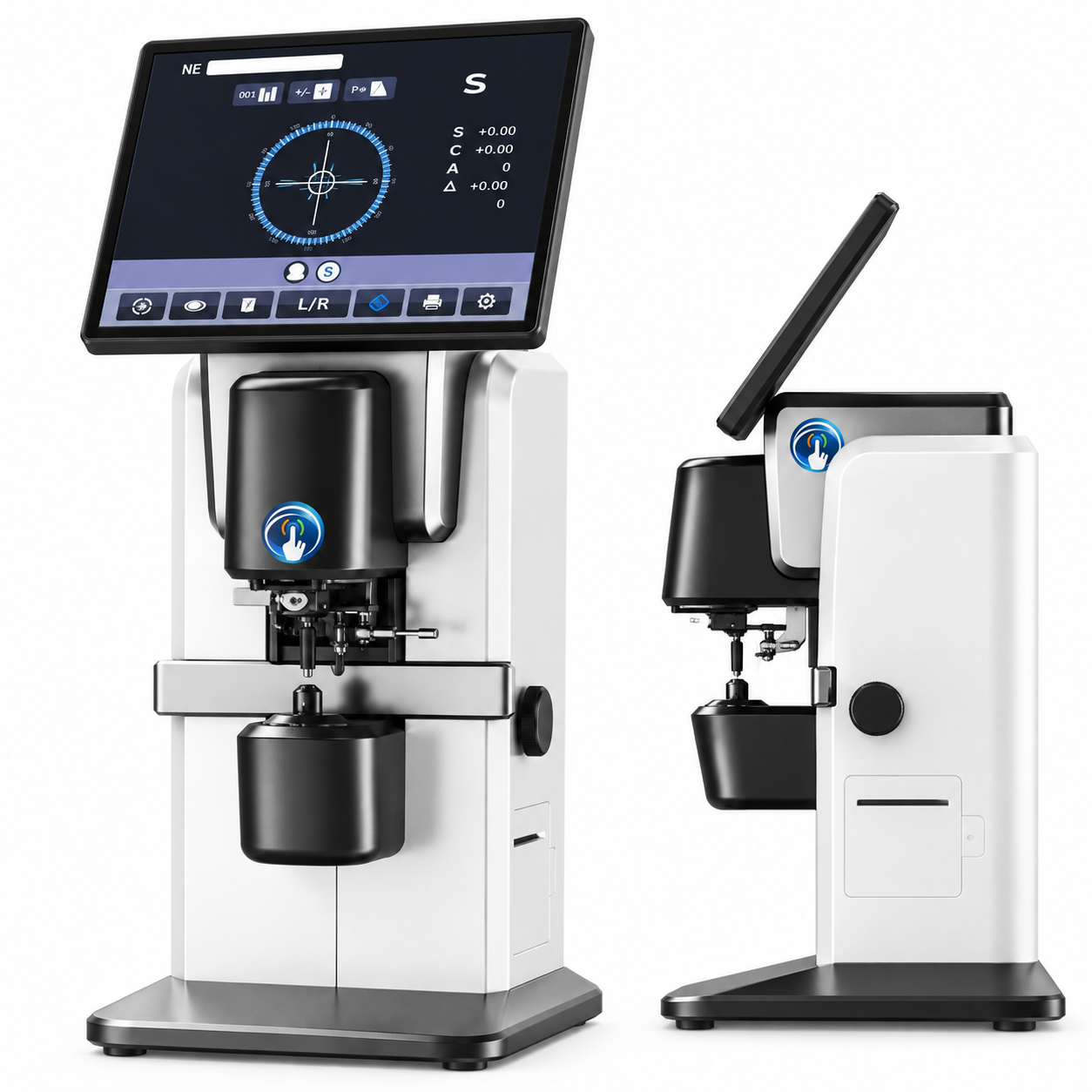
The FL-920 combines lens measurement with non-destructive refractive-index, center-thickness and dispersion-coefficient analysis. Confirm ranges, accuracy and the exact setup in the quotation.
Automatic lens edging
Match the edger to the confirmed work
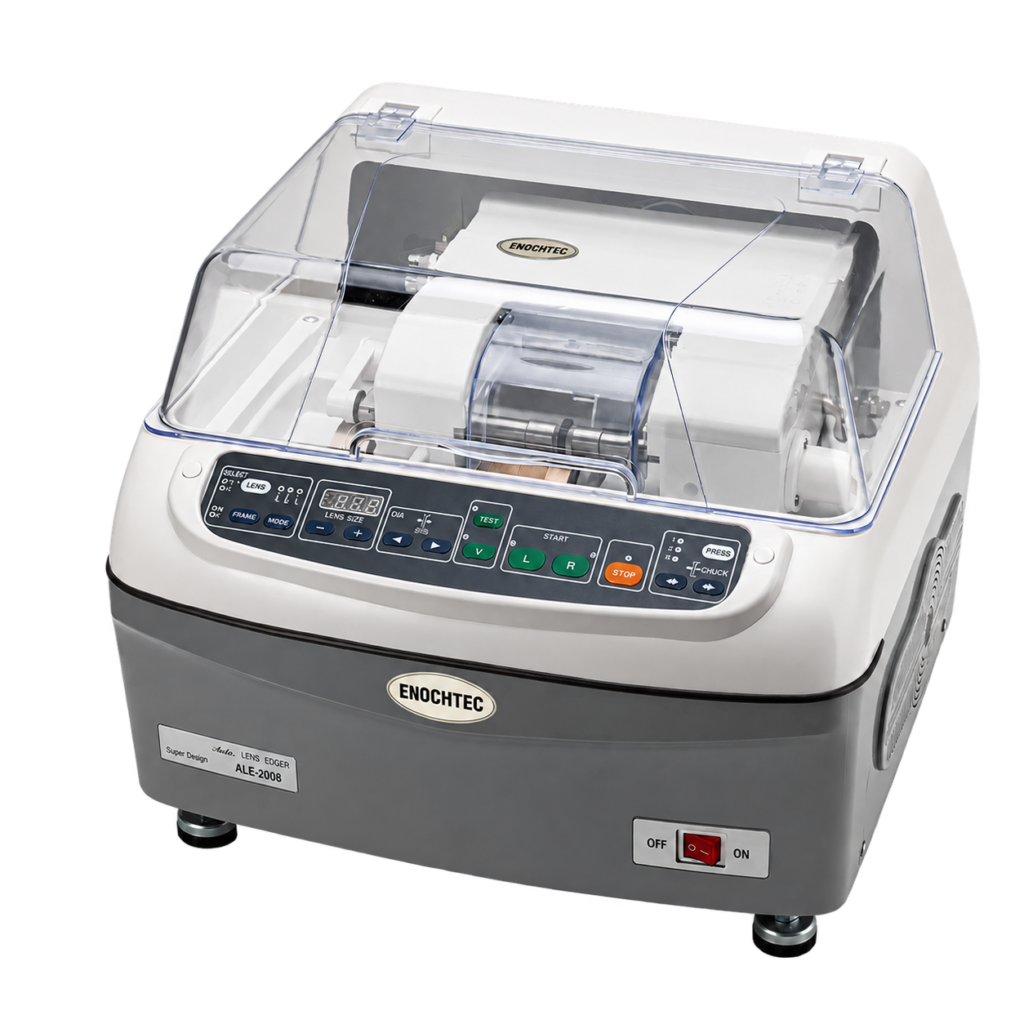
The ALE-2008 is the same product formerly identified as SJM-2008. It provides a 26–110 mm processing range for mineral-glass and plastic or resin lenses, with bevel, flat-edge, polishing and re-grinding functions.
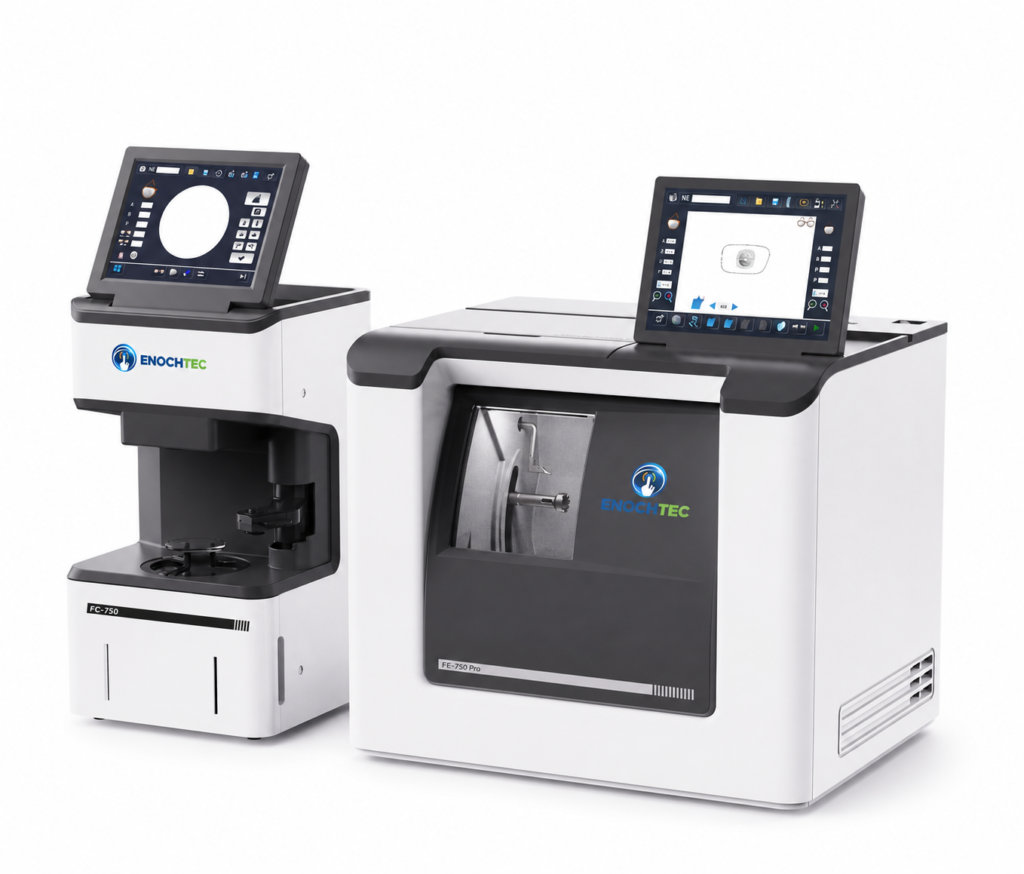
Premium scanning and edging system
Coordinate contour scanning, centering and automatic edging
The FC-750 + FE-750 Pro combines contour scanning and centering with an automatic edging workflow for optical laboratories and in-house finishing. FC-750 data is available; FE-750 Pro hard specifications and final system inclusions remain subject to the order-specific sales specification.
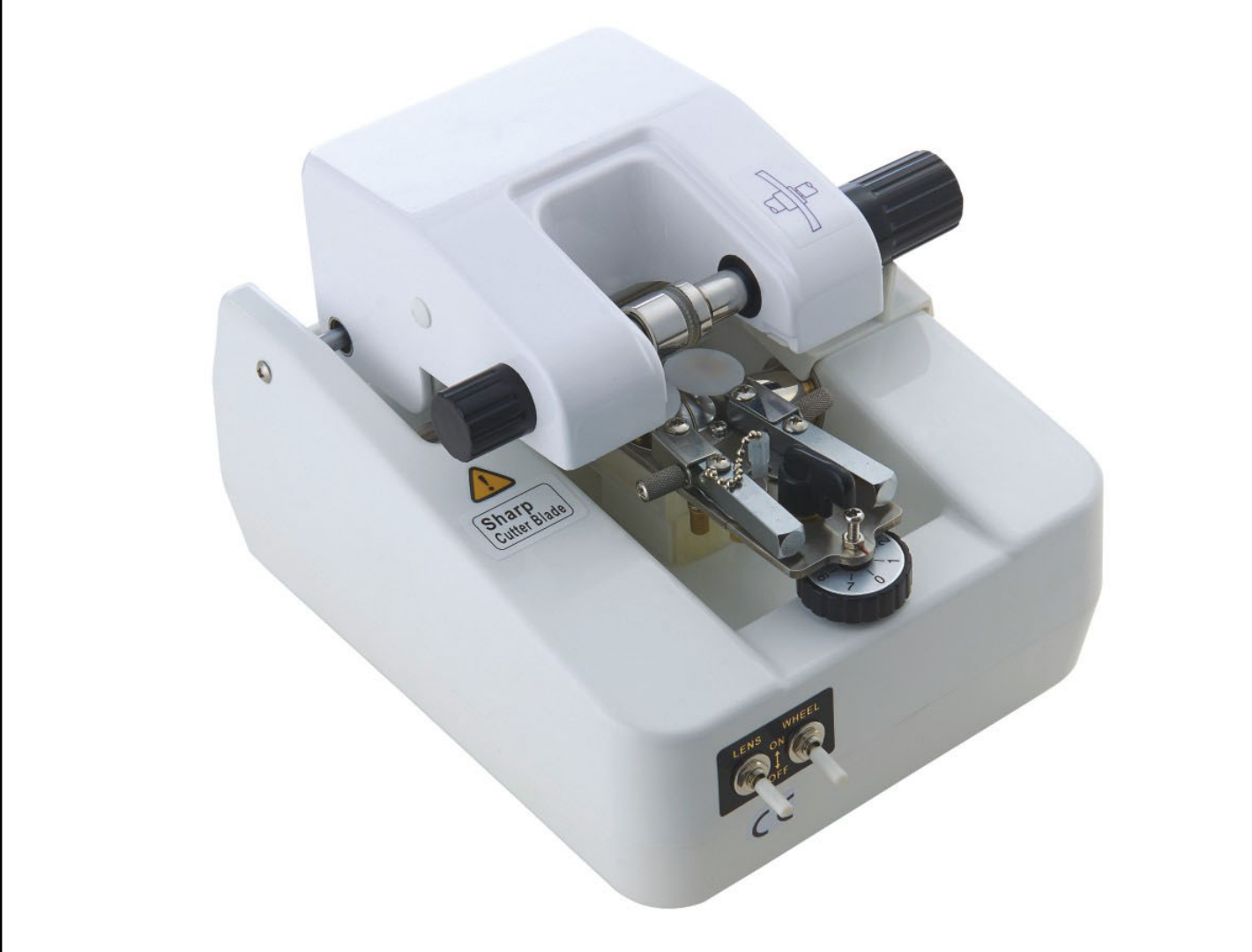
Lens grooving
Keep grooving as a defined process
Use the NH-800S where a dedicated lens-grooving step is required. Confirm lens and frame compatibility, groove guidance, accessories, utilities and the intended work sequence in the quotation.
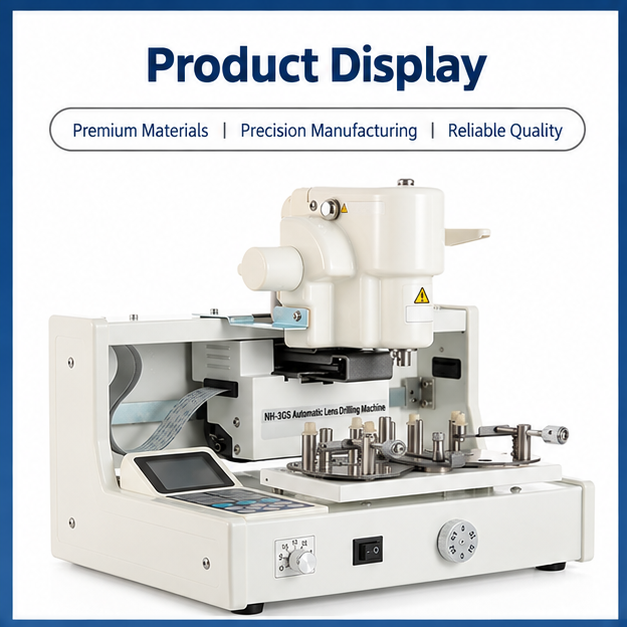
Lens drilling
Add automated drilling only where required
The NH-3GS is a separate automatic drilling option for rimless and three-piece lens workflows. Confirm hole-position workflow, compatible materials, accessories and utilities before quotation.
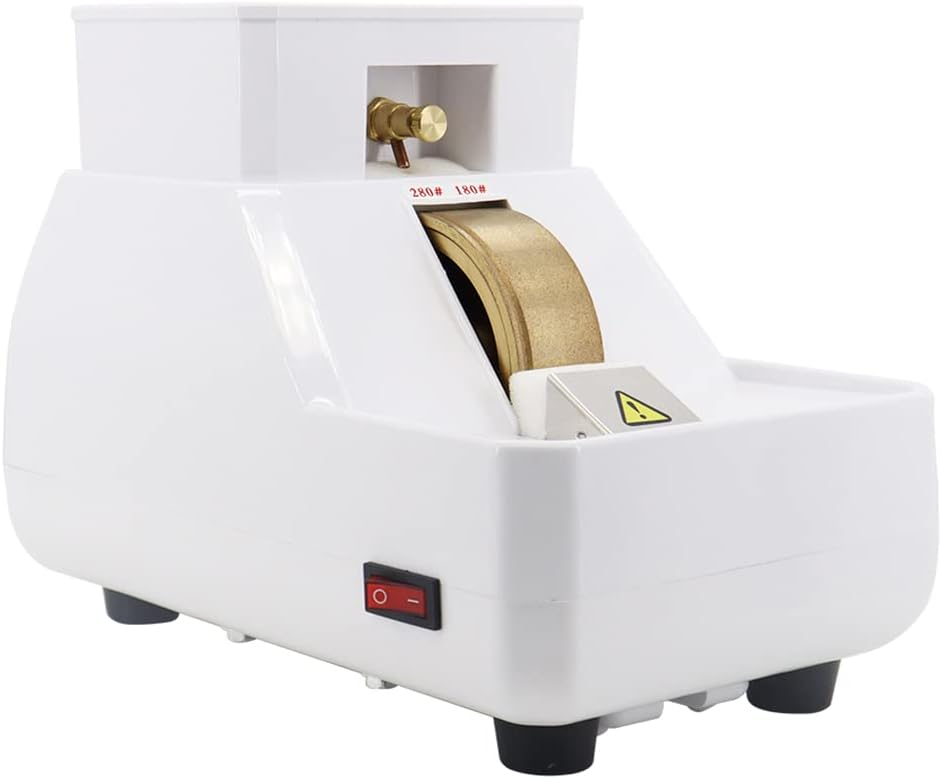
Hand finishing
NH-35W Hand Edge Grinder
A separate hand-finishing option. Supported materials, wheel configuration, accessories and maintenance scope must be confirmed in the quotation.
Configuration choices
Decisions that determine the lab plan
Document the process boundary, site and operating needs before comparing individual machines.
Which jobs will be completed in-house?
List the lens and frame work the laboratory intends to accept. This separates essential equipment from processes that will remain outsourced.
Which lens materials and edge forms are required?
Provide the actual lens materials, coatings, frame types and edge requirements. Compatibility is confirmed for the selected model in the quotation.
What workload must the workspace support?
Record expected job volume and peak demand, and review the operating arrangement with ENOCHTEC.
What utilities and space are available?
Confirm electrical supply, ventilation, water or drainage where applicable, bench or floor space, access and equipment-clearance needs.
How will maintenance and consumables be managed?
Identify the tools, wheels, pads, blocks, patterns and other consumables needed by the selected processes. Record replacement and support scope in the quotation.
Quotation checklist
What should be confirmed?
A complete brief keeps machine selection tied to the job mix, site and scope of supply.
- Laboratory or shop type
- Lens materials, coatings and frame types
- Required processing steps
- Existing machines to retain
- Expected workload and operating sequence
- Floor or bench space and access
- Available utilities and site requirements
- Included tools, accessories and consumables
- Destination market and quantity
- Shipping, installation, training and support scope
Frequently asked questions
Optical lab planning questions
What equipment is needed for an optical lab?
The required equipment depends on the work performed. A lab may need lens analysis, centering or blocking, edging, optional grooving or drilling, hand finishing, frame adjustment and final-inspection tools. A full package should not be assumed for every lab.
Is a lensmeter the same as a lens edger?
No. A lensmeter measures or verifies spectacle lenses. A lens edger shapes a lens for fitting into a frame. They support different workflow stages and require separate model-level evaluation.
When is a separate lens groover or hand edger required?
That depends on the frame types, lens materials and finishing operations handled by the laboratory. Add these machines only when the specific process is part of the job mix and the model’s suitability is verified.
Can an optical lab be equipped in phases?
A phased plan may be practical when the first-stage workflow, utilities and future connections are documented. Each phase should define the in-house processes and space for later equipment; compatibility should not be assumed.
What information is needed for a configuration review?
Provide lens materials, frame types, expected workload, required processing steps, workspace and utilities, existing equipment, destination market and preferred models. Record final inclusions, accessories and support scope in the quotation.
Define the workflow first


