
Solutions / Optical Shop
Optical shop workflow
Optical Shop Equipment Solution
Plan examination, dispensing and optional workshop areas as one connected workflow. Review the equipment groups and model options before confirming a shop configuration.
What equipment does an optical shop need?
An optical shop equipment solution connects the work areas used for refraction, visual-acuity confirmation, eyewear measurement and dispensing checks. Depending on the services offered, the plan may include a workstation, objective and subjective refraction equipment, chart systems, trial-lens tools, a lensmeter, dispensing tools and optional lens-finishing machinery. The final configuration depends on service scope, floor plan, existing devices, staff workflow and local requirements.
Intended users
A planning framework, not a fixed package
This page is for optical retailers adding refraction, optometry practices with dispensing, distributors preparing proposals and project teams defining a shop layout. Each proposal should reflect the actual services and verified model scope.
Workflow
A practical optical-shop sequence
Start with the service and approved operating procedure, then place each equipment group at the stage where it is genuinely required.
Review the requirement
Define the requested service and review existing eyewear when relevant.
Take preliminary measurements
Select an autorefractor or combined device only by verified functions.
Complete subjective refraction
Use a phoropter or trial-lens method and confirm visual acuity.
Confirm dispensing details
Record the approved result, frame choice, lens order and required measurements.
Finish, verify and hand over
Process in-house or receive finished lenses, then inspect and fit to the approved procedure.
Equipment groups
Build the setup by function
These groups help define a configuration. The linked models are options, not a mandatory bundle. Final inclusions, compatibility and market-specific specifications belong in the quotation.
Refraction workstation
Organize positioning and instrument access
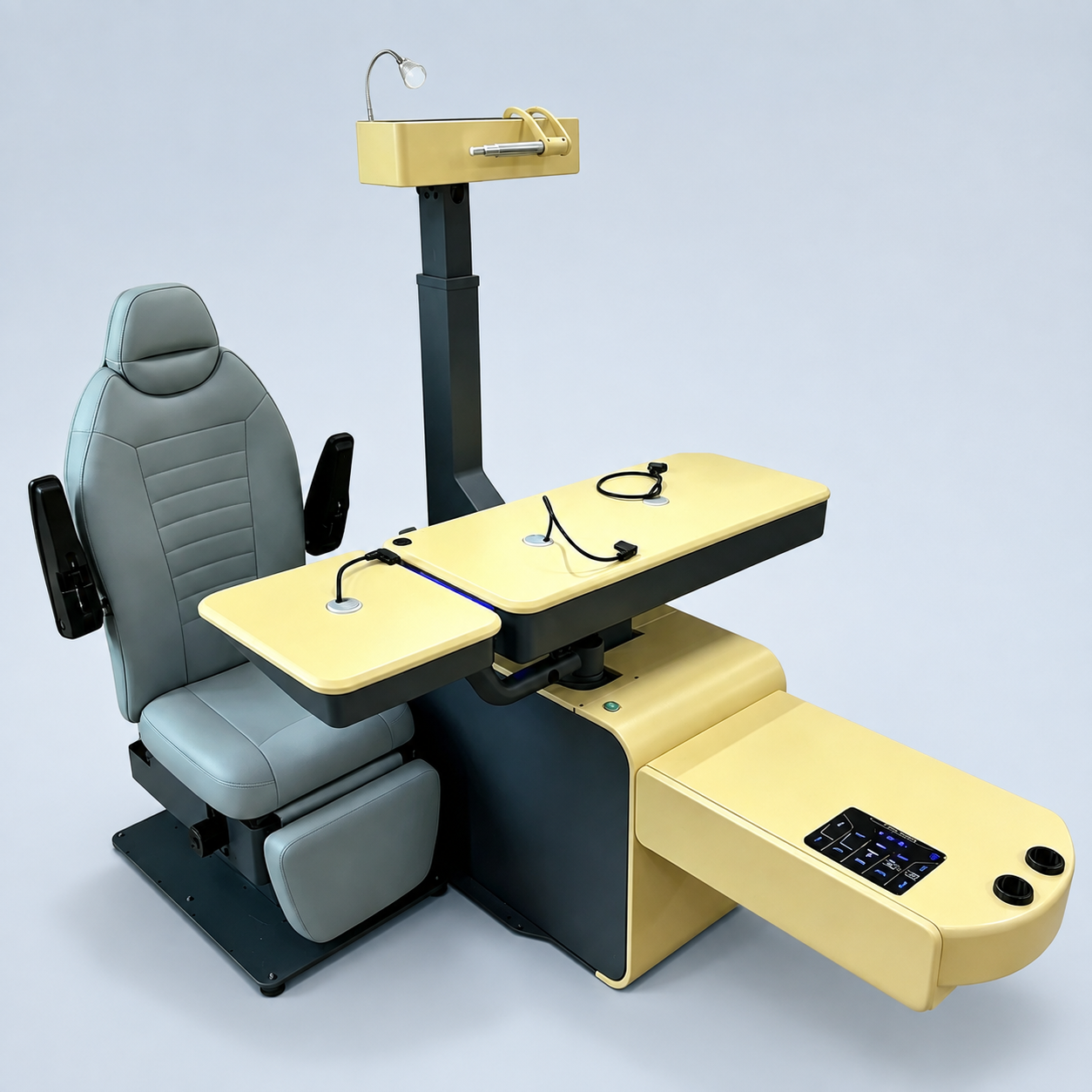
An optometry unit or optometry table can support a compact refraction area. AST-3000 is a unit configuration, while GM-560 is an optometry table. Compare the real footprint, movement, power and included items; a GM-560 image does not mean that the chair, phoropter or other instruments are included.
Objective and subjective refraction
Choose the measurement route
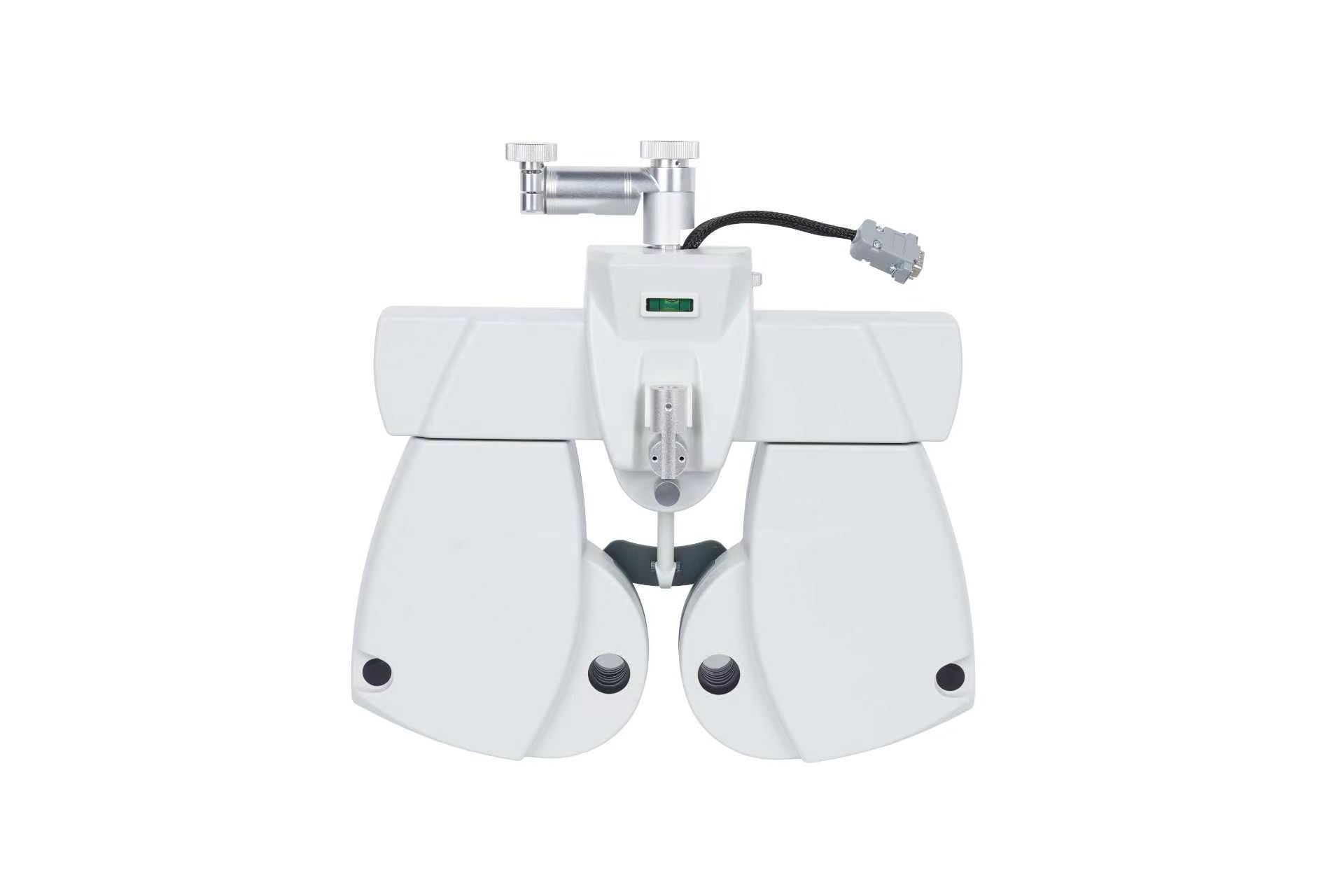
Preliminary measurement and subjective refraction use different equipment. Select automatic, manual or trial-lens methods according to the operator workflow and verified model functions.
Preliminary measurement
Subjective refraction
Manual refraction and visual acuity
Support the selected method
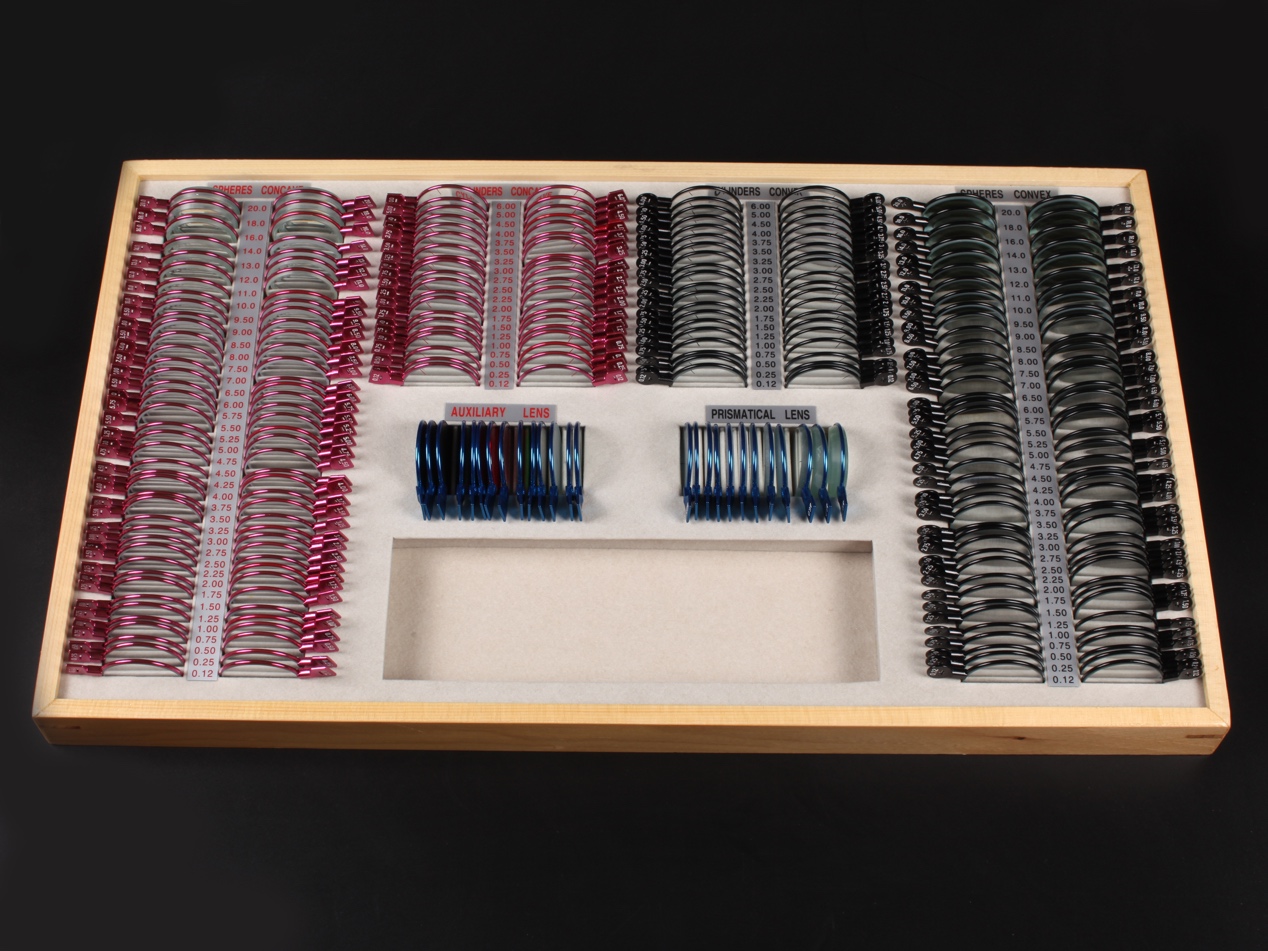
Trial lenses and an adjustable trial frame provide a manual refraction route. ACP-300 Digital Vision Chart supports visual-acuity presentation; confirm chart functions, working distance and compatibility for the selected configuration.
Pupillary distance & fitting
Add a dedicated digital pupilometer
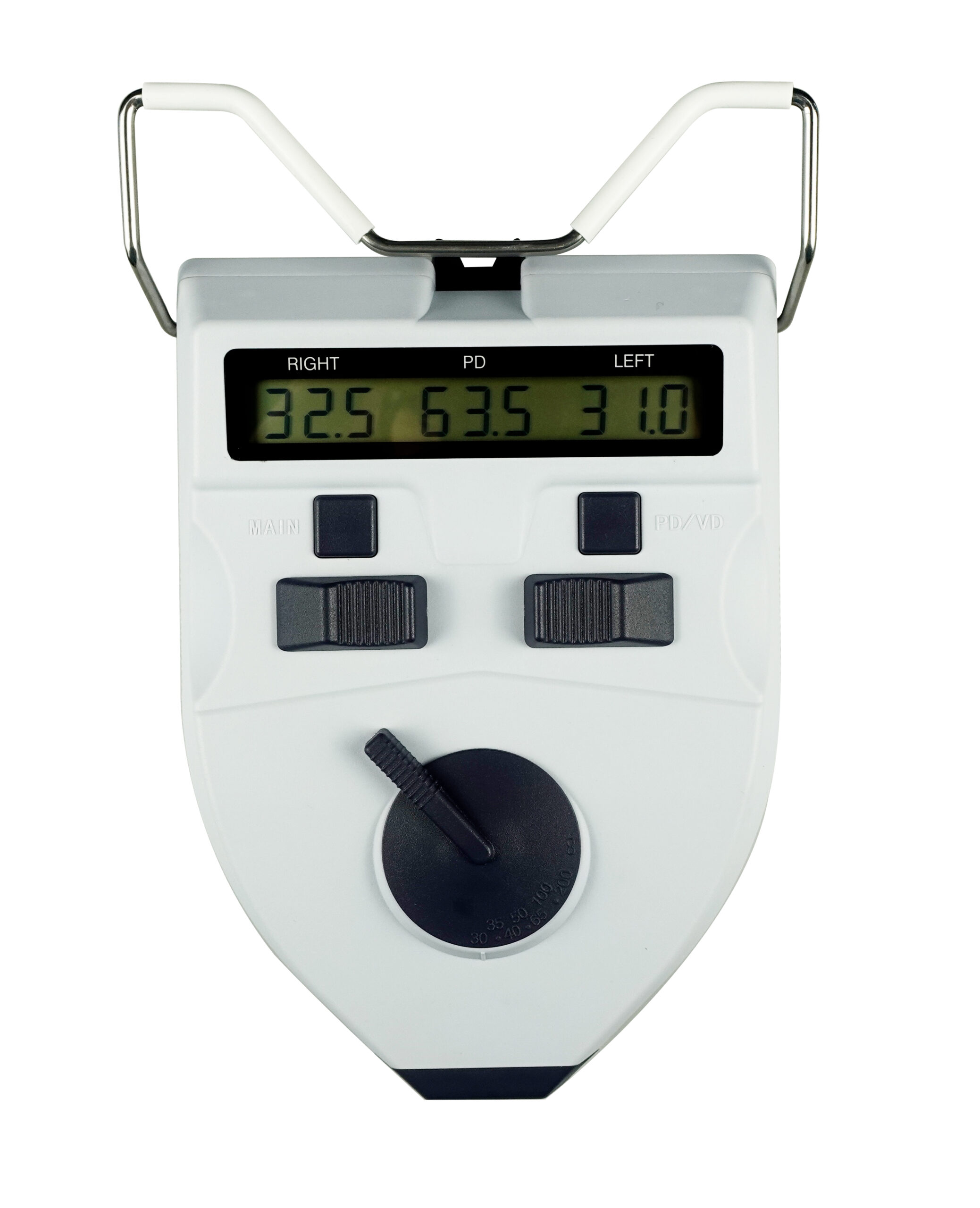
The PD-800 supports a distinct dispensing and fitting step for pupillary-distance and vertex-distance measurement. Confirm the required measurement workflow and model configuration before selection.
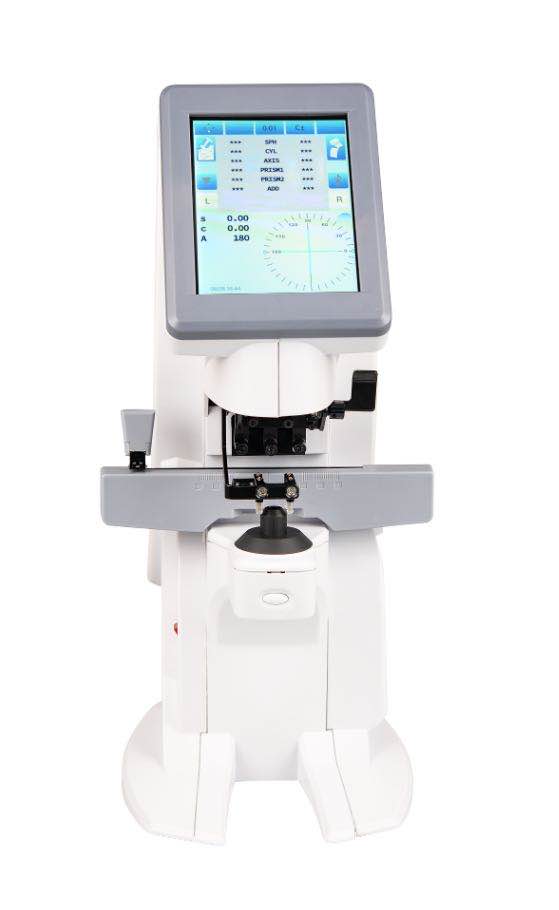
Lens analysis
Measure and verify spectacle lenses
HV-300 provides an automatic lensmeter option for existing-eyewear measurement and finished-lens verification. Confirm the required workflow and specifications before selection.
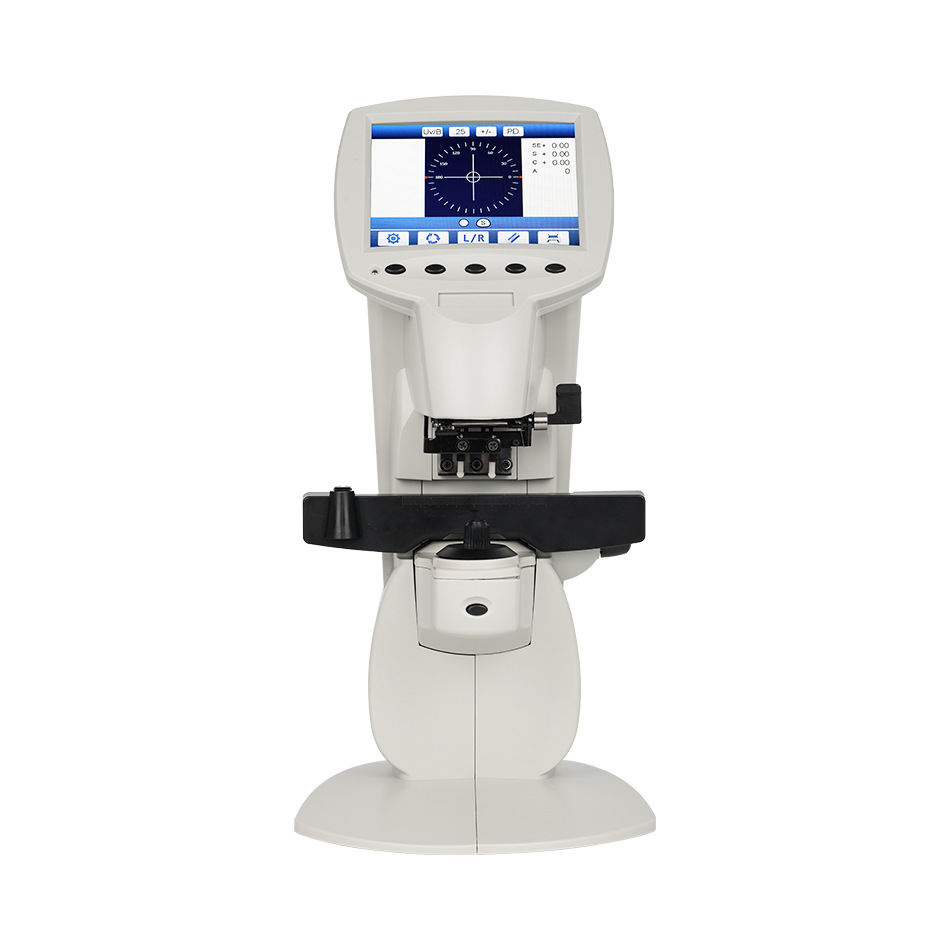
Digital lensmeter
Add PD and UV/blue-light checks when required
GM-300 is a separate digital lensmeter option with PD and UV/blue-light measurement functions. Confirm the required workflow and specifications before selection.
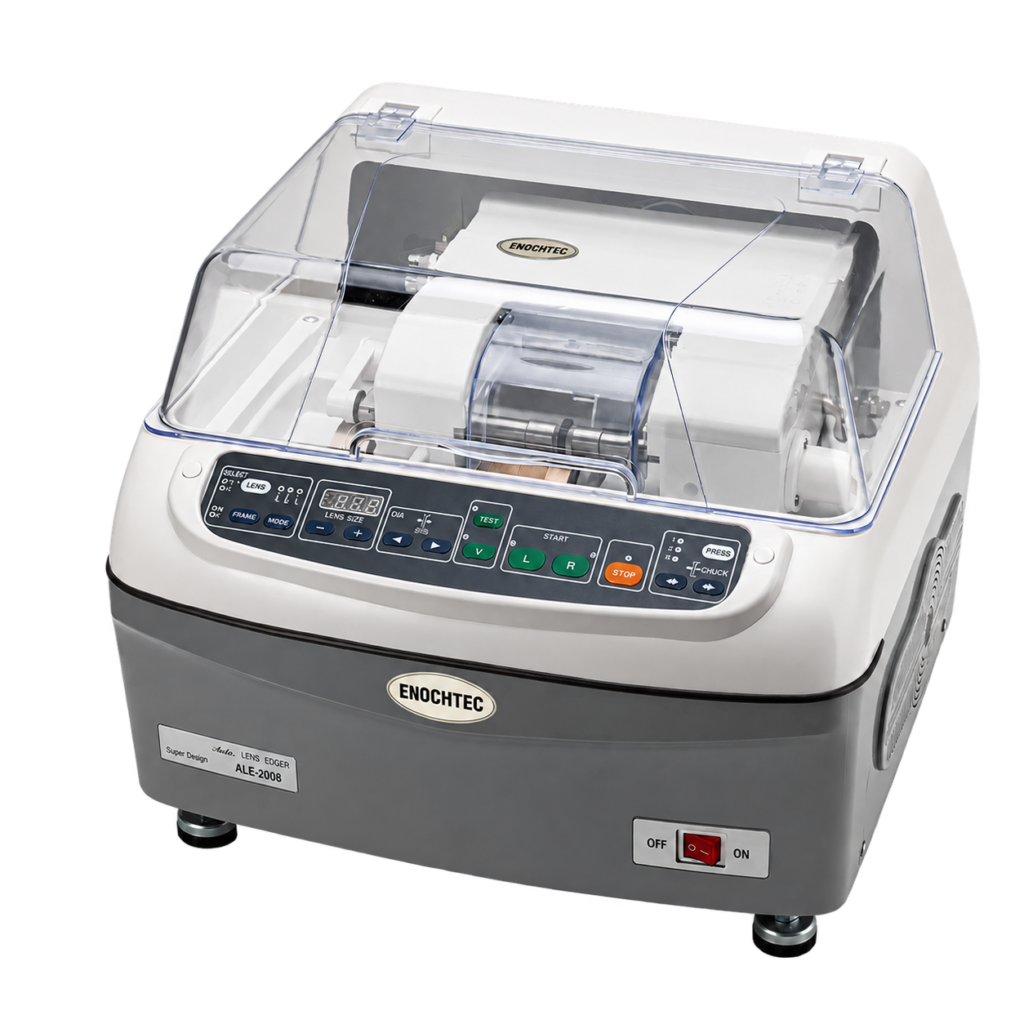
Optional in-house finishing
Select a processing level only when finishing is in house
ALE-2008 is an automatic lens-edger option for mineral-glass and plastic or resin lens processing. FC-750 + FE-750 Pro is a higher-end system linking centering and scanning with automatic edging. Confirm the shop’s lens materials, frame types, workload, utilities, accessories and the exact FE-750 Pro scope before quotation.
Additional workshop options include the Optical Frame Heater and NH-3GS Digital Automatic Lens Drilling Machine. Confirm the required workflow, compatible materials, included accessories and destination-market specifications before quotation.
Configuration choices
Decisions that shape the proposal
Resolve the service and workflow questions first. Model-level decisions can then be confirmed on each model page and in the quotation.
Refraction only or refraction plus dispensing?
Define the services delivered in each area so examination devices, dispensing tools and workshop machines are not treated as one required package.
Manual or automated refraction?
Compare operator preference, training, verified functions, compatibility and budget. Automation alone does not determine the correct workflow.
Integrated unit or separate instruments?
An integrated workstation may suit a compact room; separate devices may suit an existing layout or phased upgrade. Confirm actual dimensions and movement.
In-house lab or outsourced processing?
Add processing equipment only for work the shop will perform. A shop receiving finished lenses may need verification and adjustment tools without a full lab.
Current requirements or future expansion?
Document what must work now and which connections may be needed later. Future compatibility must be checked for the selected models.
Quotation checklist
What should be confirmed?
A clear brief helps distinguish required equipment from optional items and prevents unverified assumptions from entering the proposal.
- Shop type and intended services
- Floor plan, room dimensions and access
- Existing equipment to retain
- Manual or automated refraction method
- Dispensing and workshop steps required
- Model dimensions, power and interfaces
- Included items and optional accessories
- Destination market and quantity
- Applicable local requirements
- Shipping, installation, training and support scope
Frequently asked questions
Optical shop planning questions
Does every optical shop need a complete refraction room?
No. The arrangement depends on whether the shop provides refraction, dispensing only or a broader optometry service. If refraction is offered, plan the examination area around the real workflow, available space and local requirements.
Is a lensmeter the same as an autorefractor?
No. A lensmeter measures spectacle lenses, while an autorefractor supports preliminary objective refraction measurements. They serve different workflow stages.
Does an optical shop need an automatic phoropter?
Not necessarily. Subjective refraction may use an automatic phoropter, manual phoropter or trial-lens method. Choose according to operator preference, verified functions, compatibility, training and budget.
When should lens-finishing equipment be included?
Include edging or related workshop equipment only when the shop plans to process lenses in-house. Confirm lens materials, frame types, job mix, utilities, workspace and maintenance needs before quotation.
What information is needed for a configuration review?
Provide the layout, intended services, existing equipment, preferred workflow, required dispensing or finishing steps, destination market and any preferred models. Record final inclusions and options in the quotation.
Build around the customer workflow


