
Build the refraction workflow
Optometry & Refraction Equipment
Separate objective measurement, subjective refraction, visual-acuity testing, lens verification and supporting tools. Then connect the selected instruments to the room and workstation requirements.
What belongs in an optometry and refraction workflow?
A workflow can combine objective measurement, a phoropter or trial-lens method for subjective refraction, visual-acuity presentation, lens verification and supporting instruments. The appropriate combination depends on the services, users, existing devices and confirmed model compatibility.
Organize by workflow stage
Connect instruments without merging their roles.
Each equipment type answers a different part of the examination or verification process. Use each model page for its exact capabilities, specifications and configuration details.
Auto Refractors & Keratometers
Objective measurement equipment, with refractor-only and combined functions kept distinct.
Automatic & Manual Phoropters
Subjective refraction equipment organized by the documented operating method.
Visual Acuity Testing
Digital vision-chart and presentation equipment, kept separate from vision screening.
Lensmeters
Lens verification and analysis equipment, distinct from lens-processing machines.
Trial & Supporting Tools
Trial frames, trial lens sets, retinoscopes and binocular-vision instruments.
Product models
Available product models
Use each model page to review its documented operating role, images and configuration details. Confirm compatibility and included items in writing.
 Objective measurement
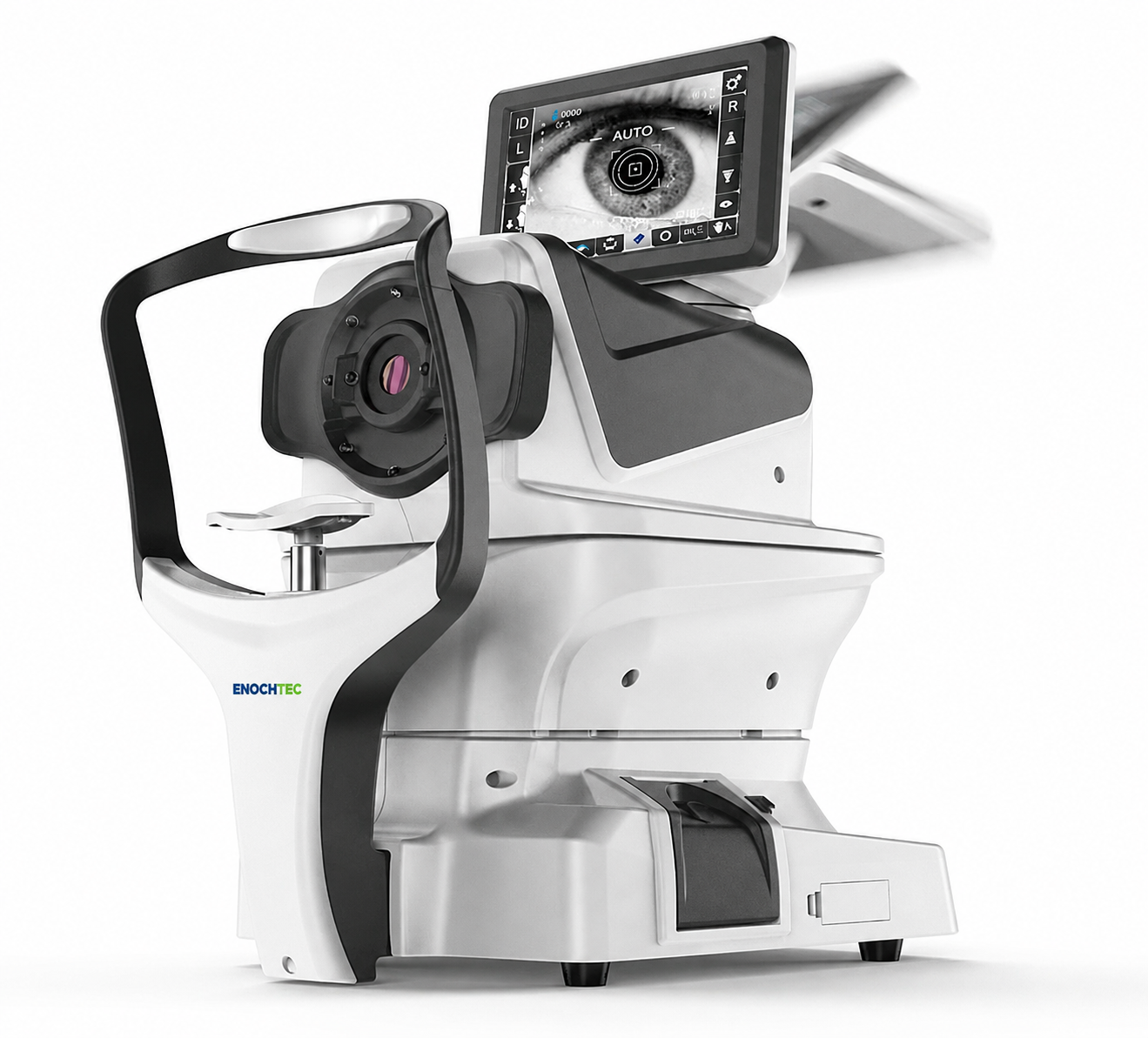
ARK-710 Auto Refractor Keratometer
Combines objective refraction and corneal-curvature measurement with K&R, REF and KRT modes. Confirm the required configuration and included accessories.
 Product model
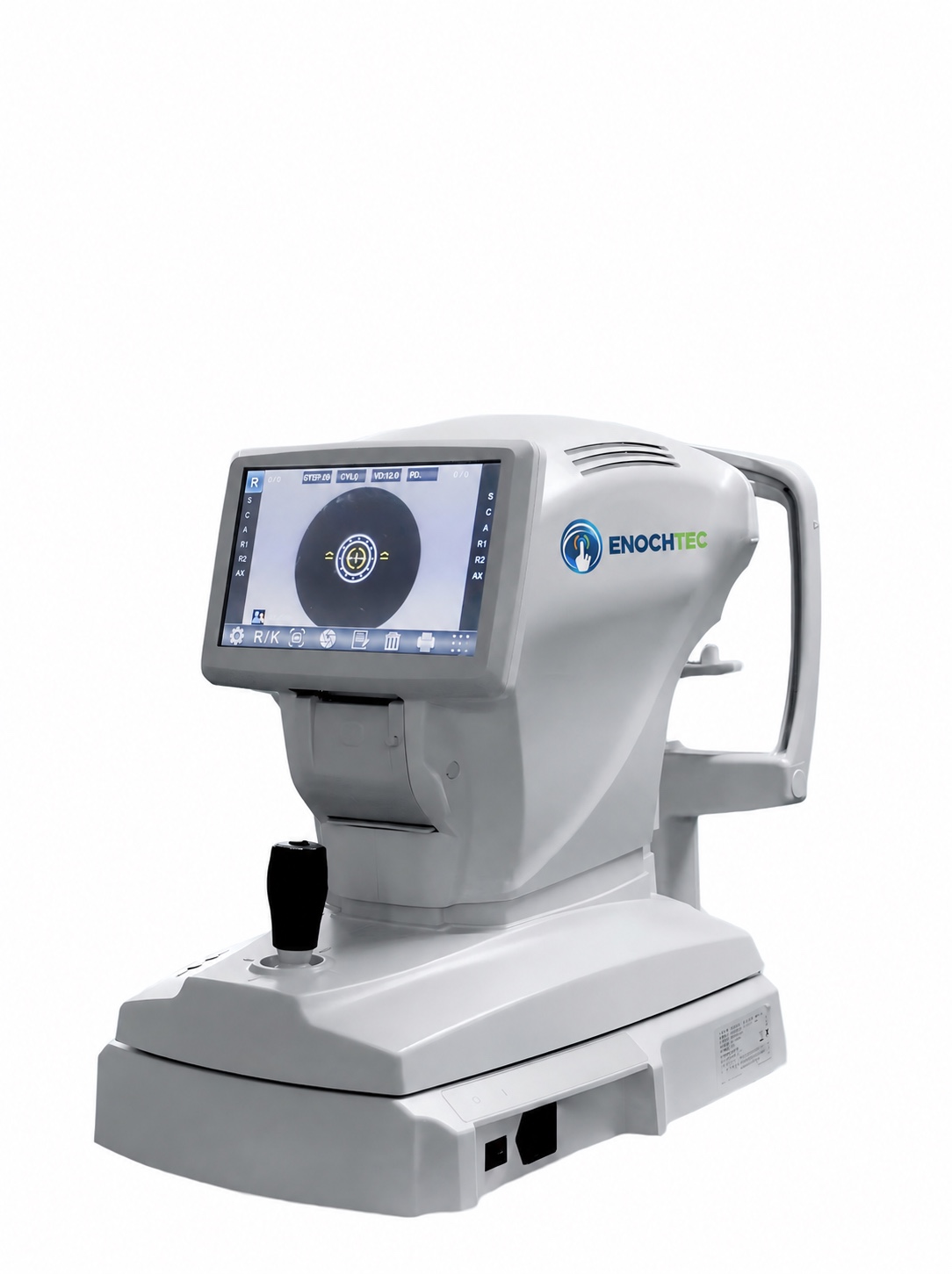
RMK-8100 Auto Refractometer / Keratometer
View product images, specifications and available configuration details.
 Product model
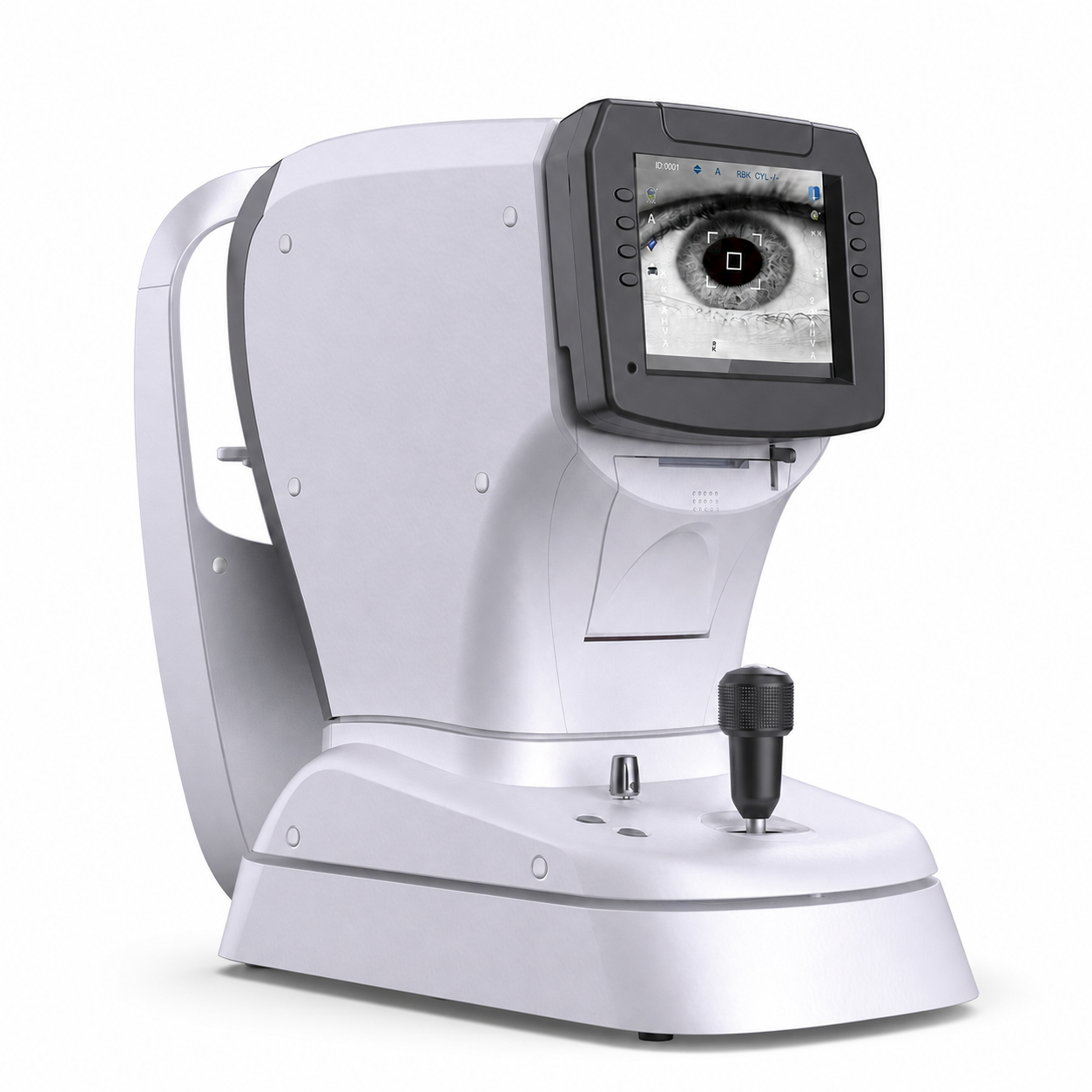
ARK-900 Auto Refractor
View product images, specifications and available configuration details.
 Objective measurement
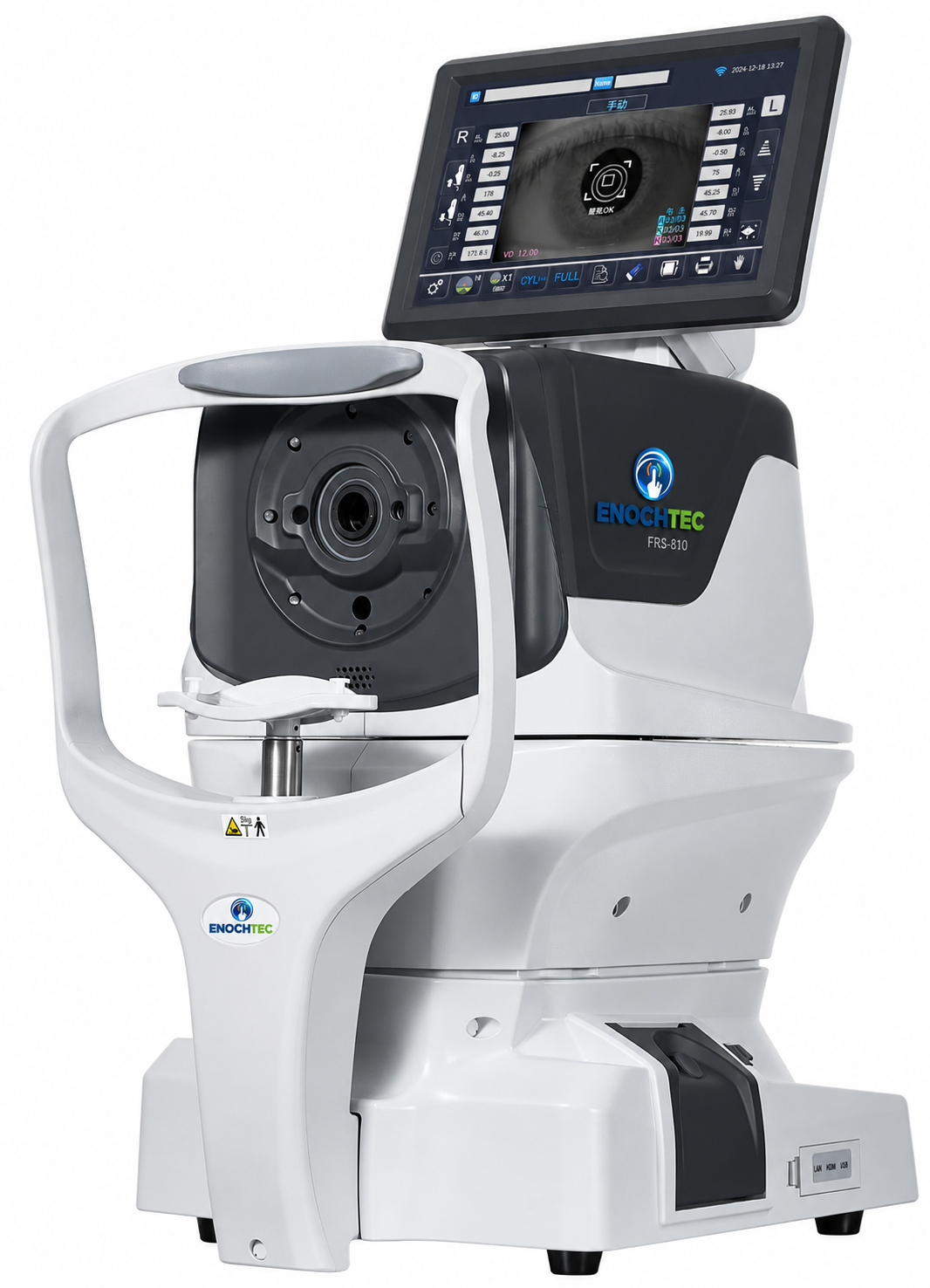
FRS-810 Auto Kerato-Refractometer with Axial Length Measurement
Combines objective refraction, keratometry and axial-length measurement in one tabletop workflow.
 Objective refraction support
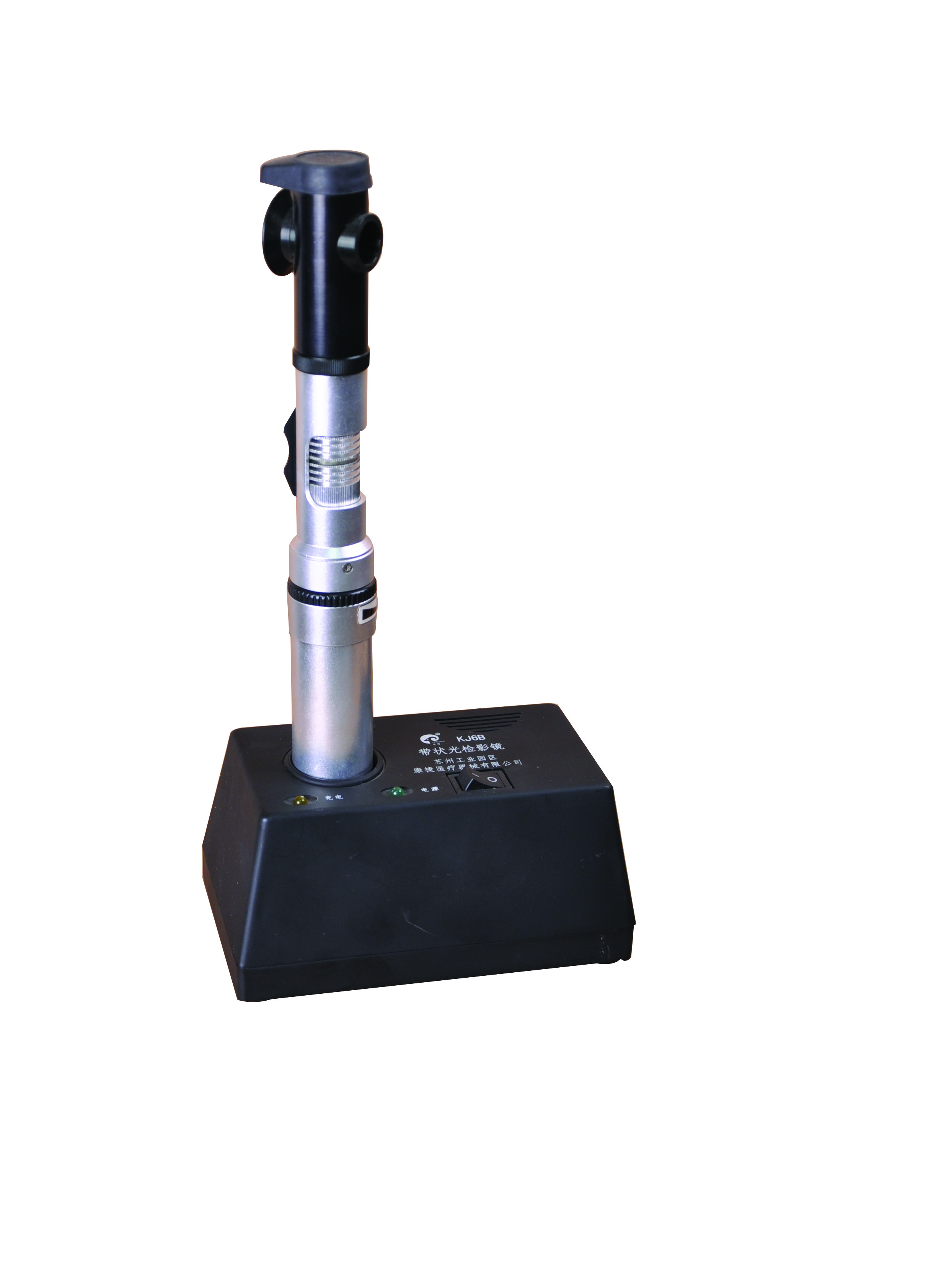
KJ6 Series Streak Retinoscope
Streak retinoscope for objective-refraction work, with AC-powered and rechargeable configurations. Confirm the selected variant and accessories.
 Product model
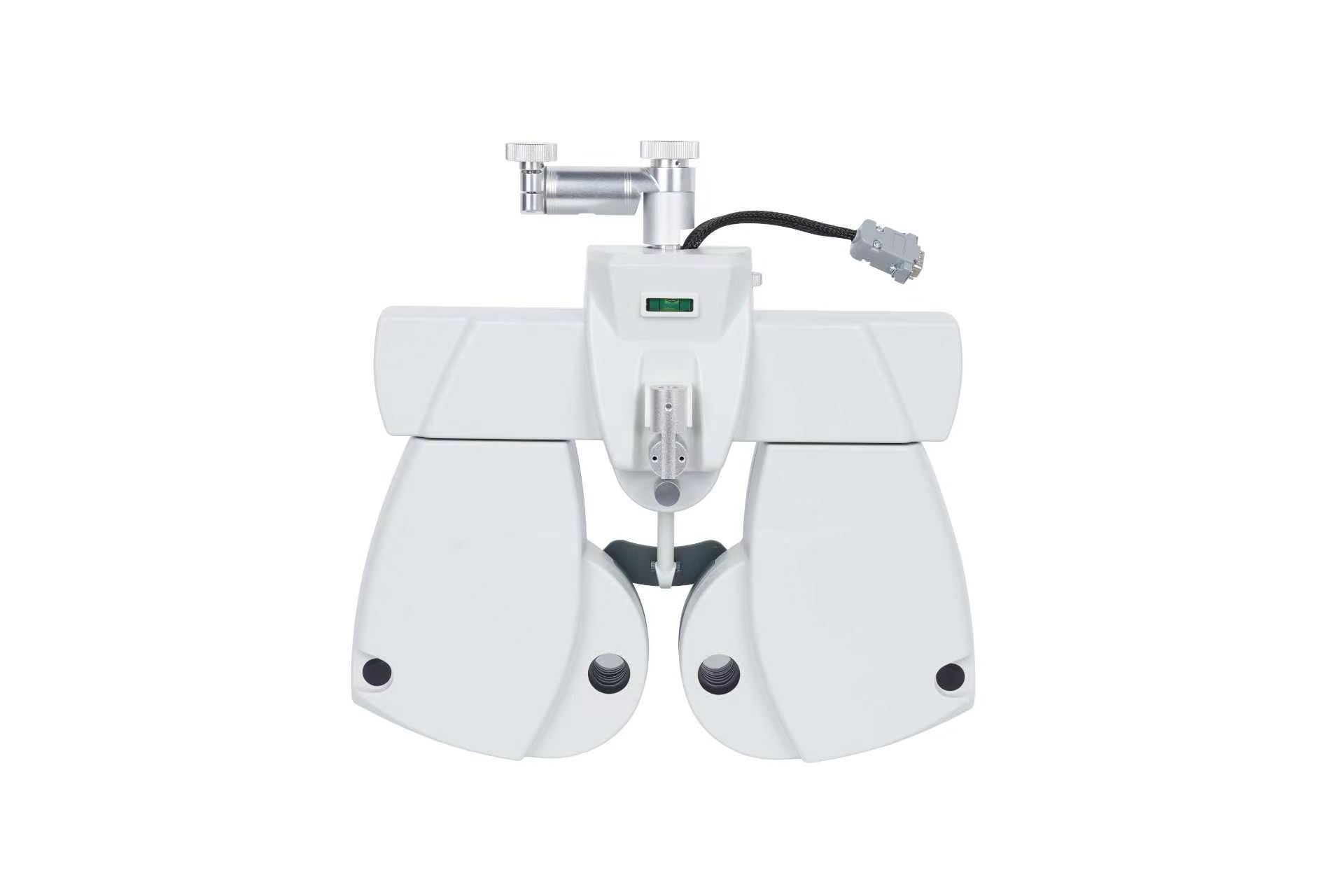
CV-5600 Auto Phoropter
View product images, specifications and available configuration details.
 Product model
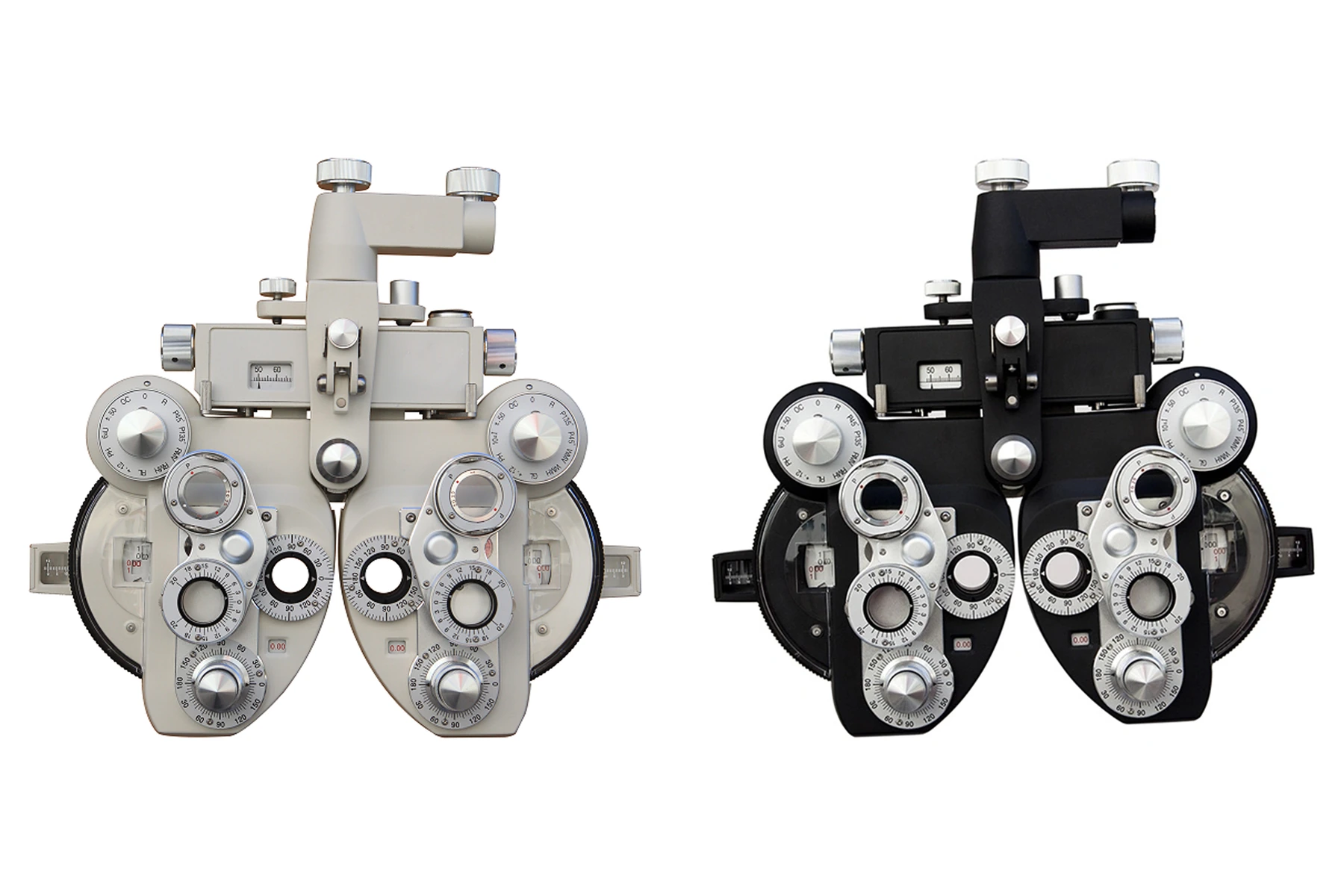
FO-600 Manual Phoropter
View product images, specifications and available configuration details.
 Visual acuity testing
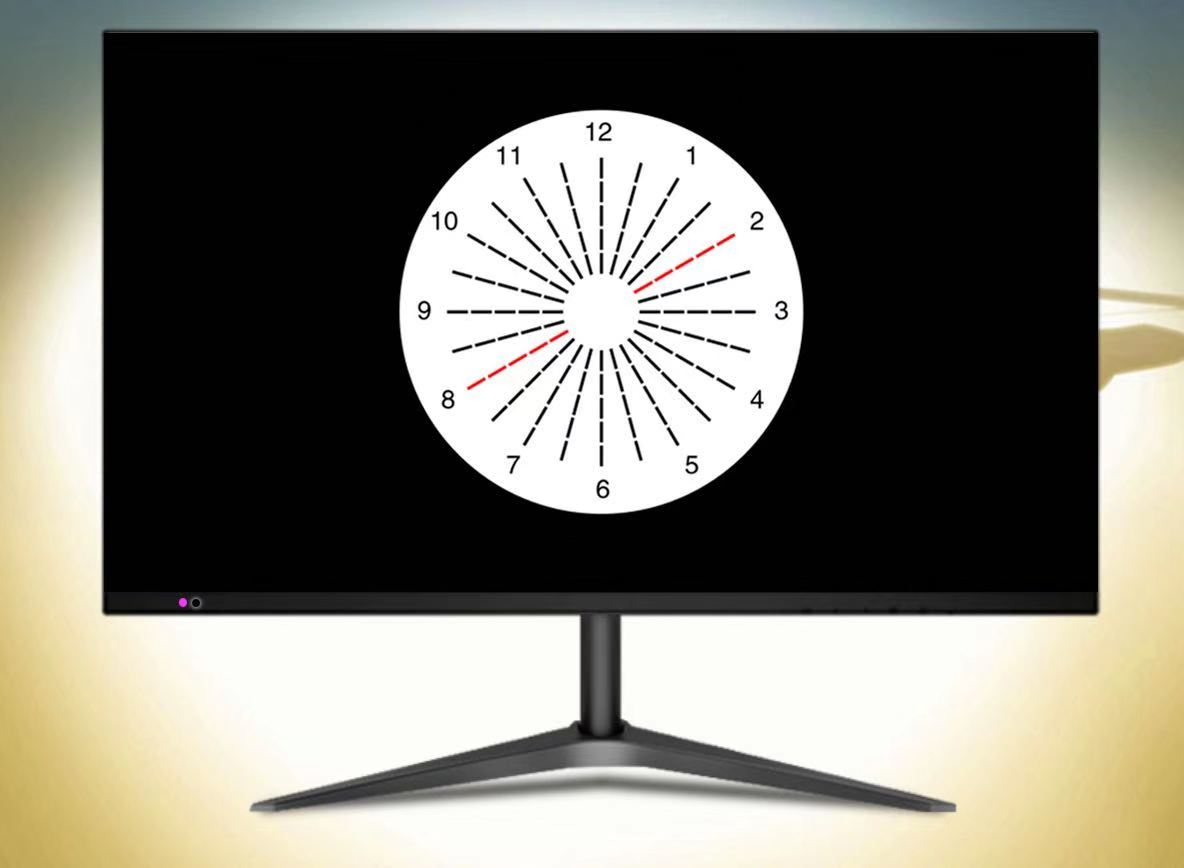
ACP-300 Digital Vision Chart
Digital vision-chart system for visual-acuity testing. Review the documented chart functions, display configuration and operating requirements.
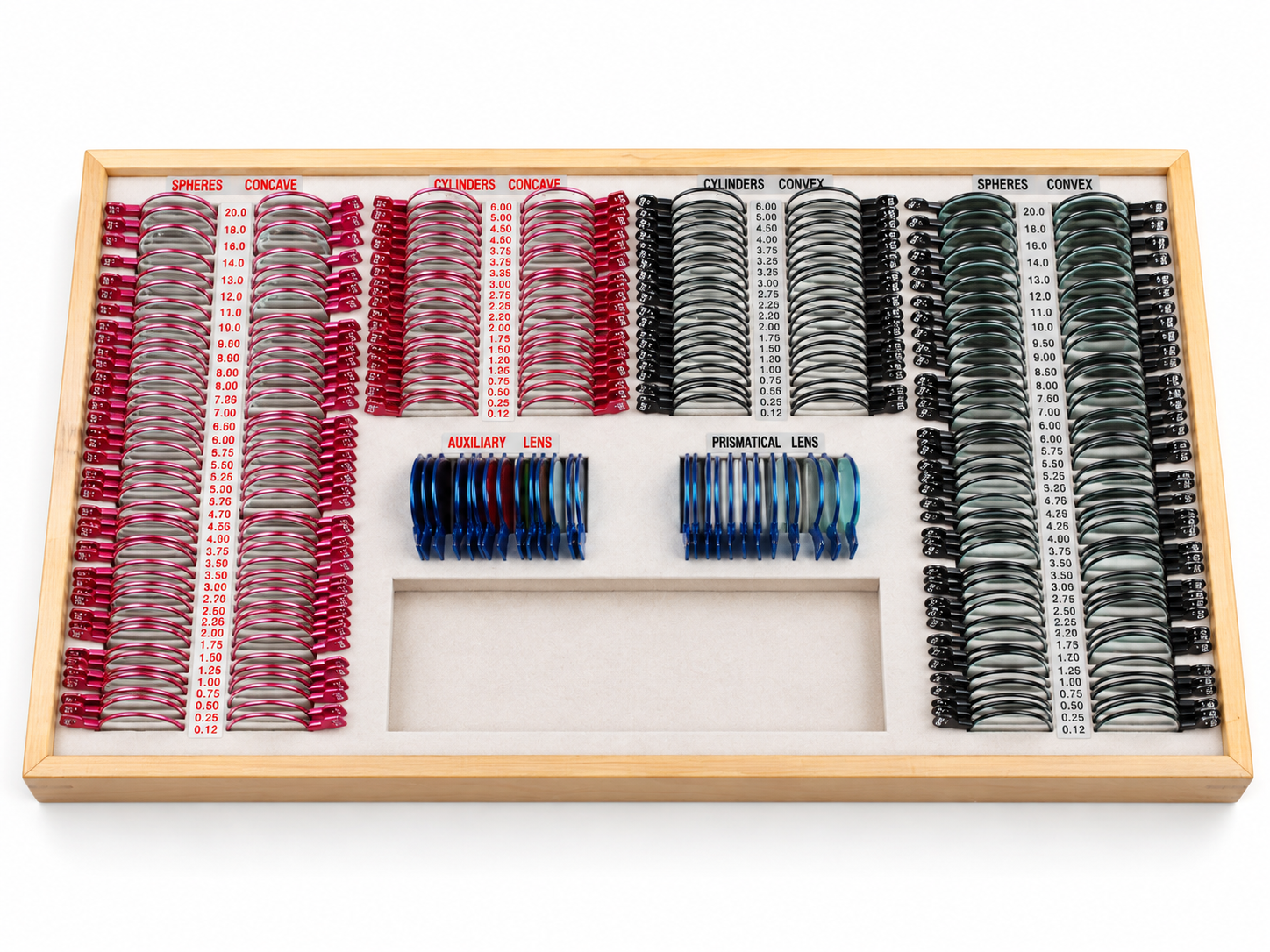 Product model
TLC-266 Trial Lens Set
View product images, specifications and available configuration details.
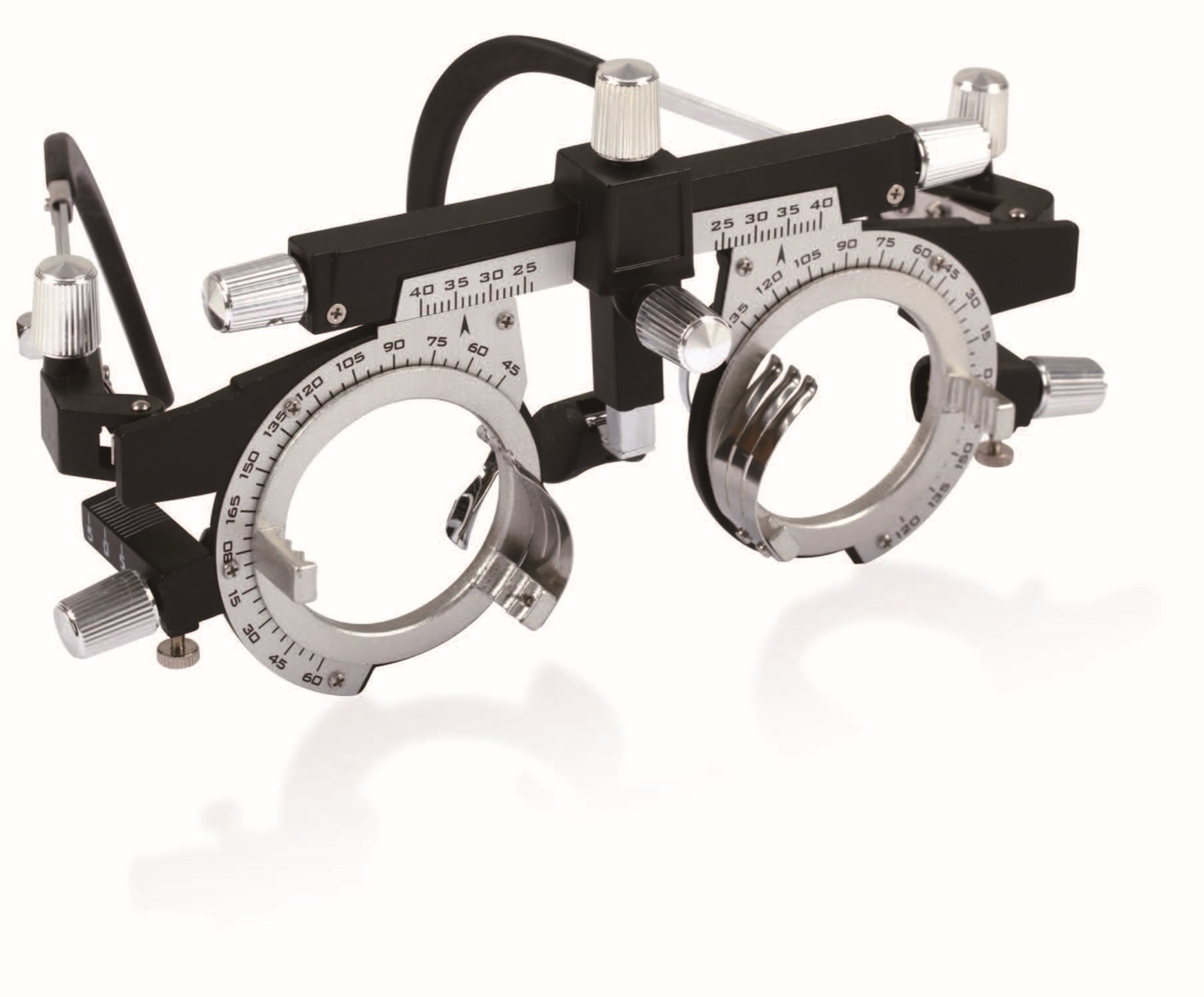 Product model
Trial Frame Series
View product images, specifications and available configuration details.
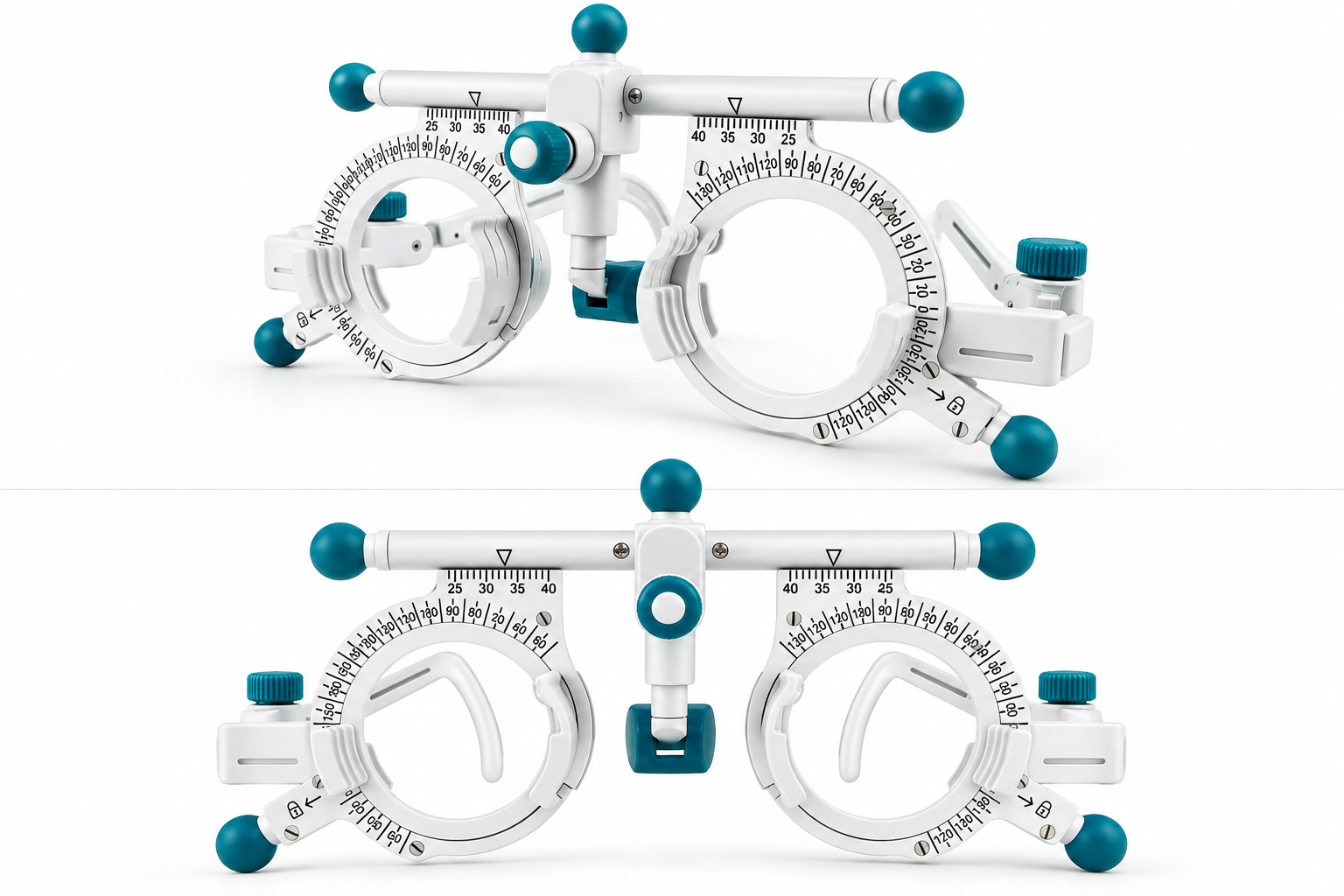 Subjective refraction support
UTF-T4880 Pro Adjustable Trial Frame
Adjustable trial frame for subjective-refraction workflows. Review the documented fitting adjustments, measurement scales and configuration details.
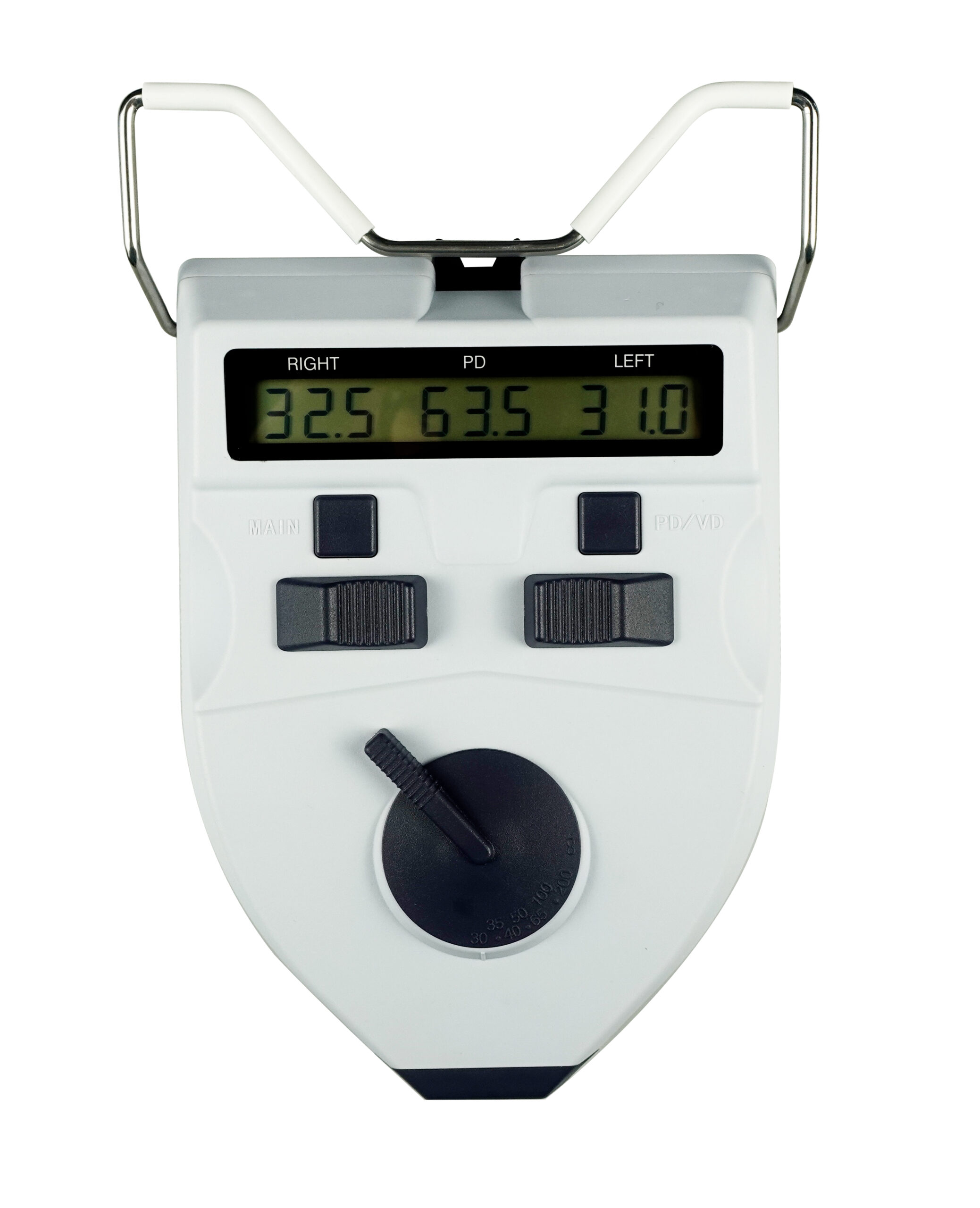 PD measurement support
PD-800 Digital Pupilometer
Digital pupilometer for monocular and binocular pupillary-distance measurement with vertex-distance support. Review the product page for documented ranges and controls.
Selection guidance
Questions that shape the equipment list
Compatibility and workflow should be confirmed for the specific models under consideration, not assumed from a shared category name.
- Services and users — State the examinations performed and who will operate the equipment.
- Existing devices — List current instruments and any connection or workflow requirements.
- Room arrangement — Identify the workstation, viewing distance and patient-positioning needs.
- Configuration — Confirm controllers, charts, accessories and included items per model.
From need to shortlist
A coordinated refraction-room path
Use the Refraction Room Solution for the overall sequence and this category for equipment-type and model selection.
Objective measurement
Choose the appropriate measurement equipment.
Subjective refraction
Review automatic, manual or trial-lens methods.
Visual confirmation
Connect the appropriate visual-acuity presentation.
Room integration
Confirm workstation placement and equipment compatibility.
Buyer questions
Answers before model selection.
What equipment is commonly combined in a refraction workflow?
A workflow may include objective measurement, subjective refraction, visual-acuity presentation and lens verification. The final list should follow the services offered and the confirmed model configuration.
Should I choose an automatic or manual phoropter?
Compare the intended operating workflow, existing equipment and documented functions of the specific models.
Is a digital vision chart the same as a vision screener?
No. A digital vision chart presents visual-acuity content, while a vision screener is a separate diagnostic or screening equipment type.
How can I check compatibility with my current equipment?
Provide the brands, models and workflow requirements of the existing devices. Compatibility should be confirmed in writing.
Prepare the right shortlist

